

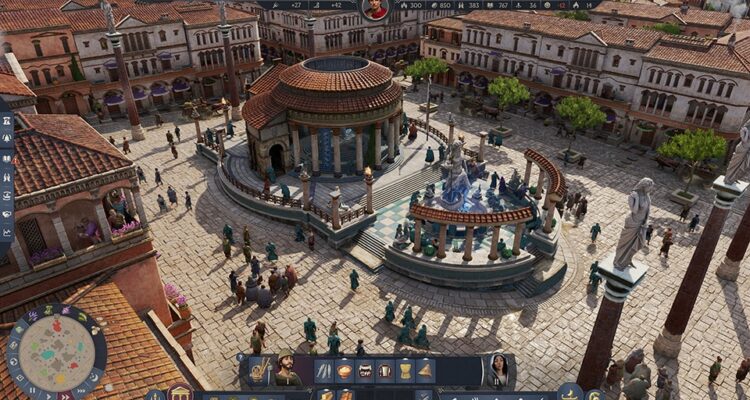
When it releases, Anno 117: Pax Romana will feature another province, which was revealed at gamescom today. Known as the Albion Province, it’s Celtic in nature.
According to the press release, this is a location where no Roman Emperor wants to be, but it’s important to this game.
“Far from the marble columns of Latium, Albion offers a unique gameplay experience where players can choose from either protecting Celtic traditions or reinforcing Roman ambitions. Along the way, they uncover myths and rites that define its people’s beliefs and way of life. The new Romanization feature deepens this choice, allowing players to integrate with Albion’s local culture or enforce Roman custom.
By either choosing Albion as the starting province to build your Empire or discover these mysterious lands later, players can discover new ways of governing and features such as:
- An Expanded Pantheon of Celtic deities– Upon arriving in Albion, players can unlock new gods through the Discovery Tree including Epona, Mercury-Lugus, and Cernunnos. Some deities become available only through specific choices, each granting unique benefit to your empire and your residents who worship them.
- Access to new technology – As players uncover Albion’s hidden secrets, new technologies emerge, empowering governors to shape the province to their vision. From innovations like marsh drainage—a hallmark of Roman engineering—to other transformative advances, each discovery opens new opportunities for expansion and ambition.
- Romanization – When they set foot on Albion for the first time, newly appointed governors will find a wild and untamed land—uncharted by Romans yet rich in Celtic heritage. As governor, you must decide: preserve Celtic traditions or advance Roman ambition. Whichever path you choose, your residence will have needs and require specific resources.
The title’s first public demo will be released on the second of September.
Anno 117: Pax Romana is scheduled to bring its strategy to PC, Amazon Luna, Xbox Series and PlayStation 5 on November 18th.