

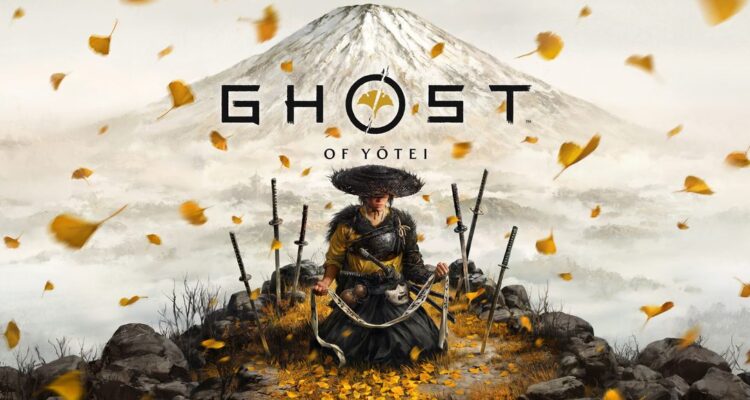
“I have a confession to make,” as the Foo Fighters famously stated. It relates to Ghost of Tsushima, which is one of my all-time favourite games. You see, I probably could have reviewed it when it came out, but I was busy and decided not to bother with it. Why? Well, I’ve always struggled with samurai games and period pieces, so I didn’t think it’d be for me.
Oh, how wrong I was.
Fast forward to the early part of 2024, and I was given a free trial of PlayStation Plus Premium. I saw that the game was available on there, and thought it was the most interesting option, which lead to me giving it a shot and becoming hooked almost instantly. While I didn’t like switching sword combat styles, and barely did, I loved the game and beat it pretty thoroughly. However, I became unwell and never did get finishing its expansion before my subscription ended. I got partway through, and then missed finishing it by hours.
The plan has been to buy it when it’s cheap, but it never seems to drop in price.
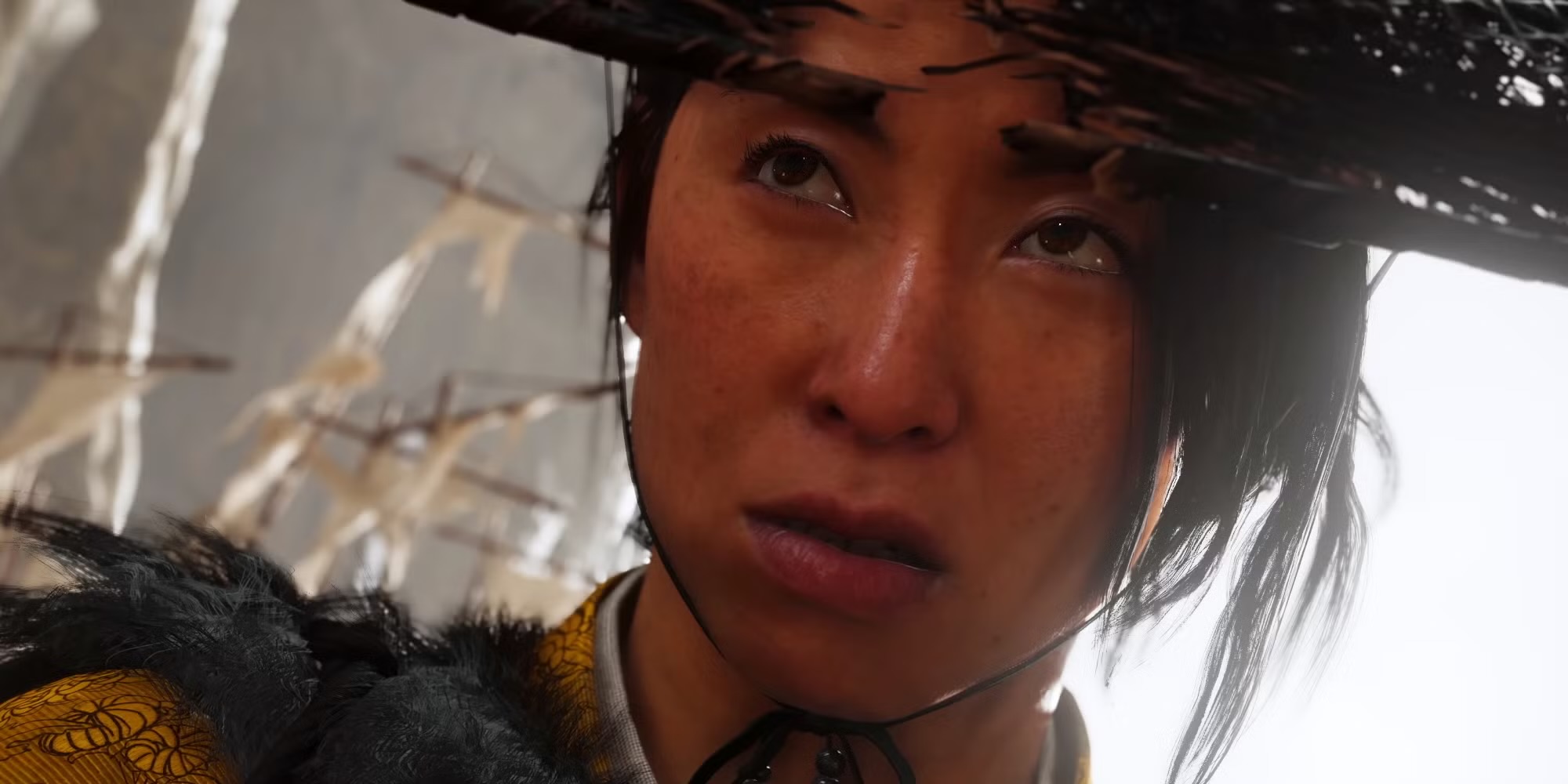
As of the start of this month, that very title has received its first sequel. It’s called Ghost of Yotei, and features both a new story and a new protagonist, not to mention some relatively notable structural and gameplay changes. Despite this, it still feels like a true follow up to one of the best games ever made.
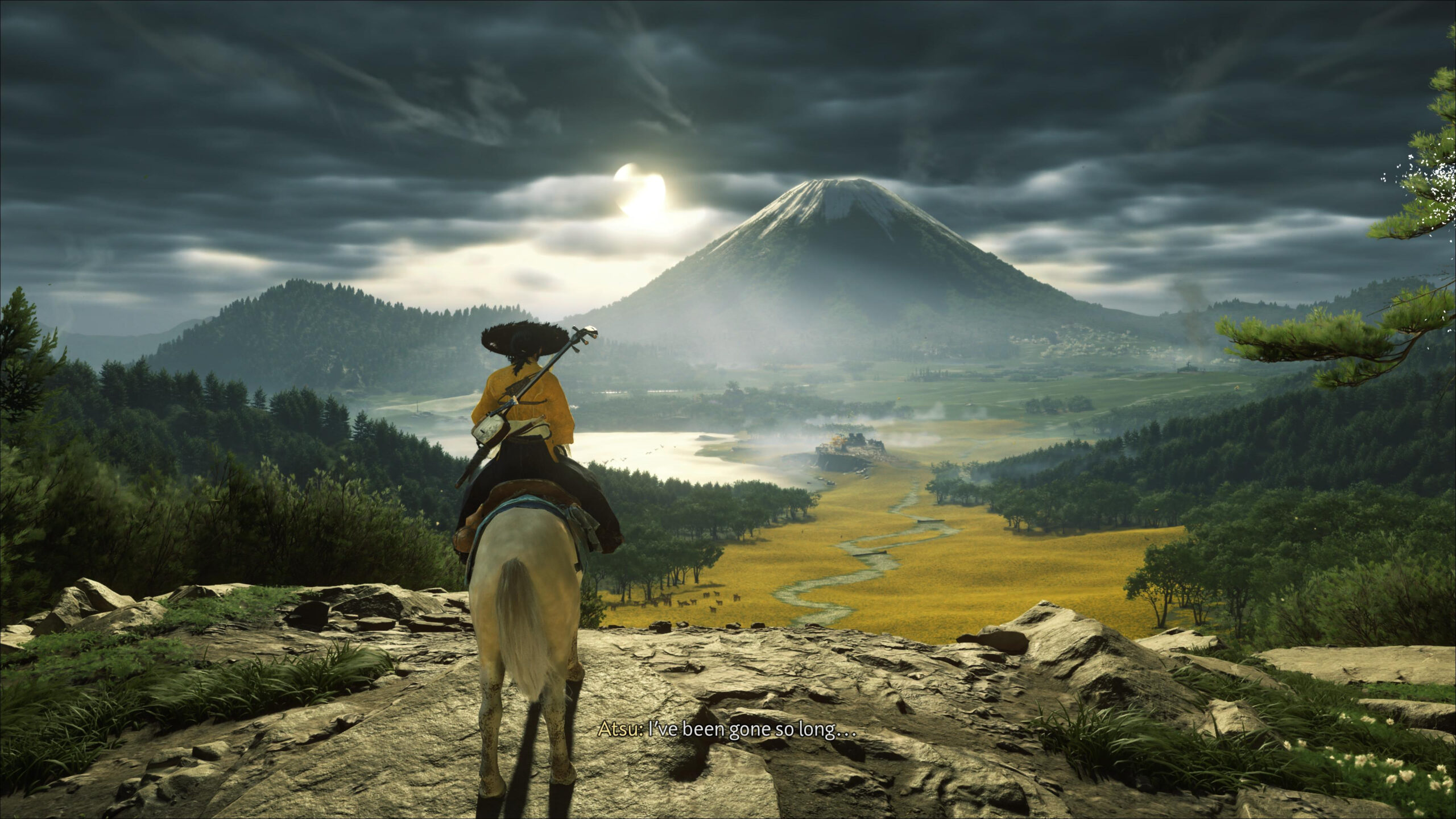
Ghost of Yotei follows a young woman named Atsu, and begins on the worst night of her brief life. It’s on that eve when the gang known as the Yotei Six came to her family’s rural homestead and murdered everyone she loved. They didn’t kill her, but maybe thought they had, as they left her bleeding there under a ginkgo tree.
Fast forward approximately sixteen years and Atsu has returned to her homeland of Ezekiel, Japan, which she fled after the attack. Full of guilt and anger, she’s back to avenge her parents and brother, by taking out the Six. It’ll take a lot to do so, though, and she’ll face hardship along the way. That is, the game’s complex and deep campaign.
The story may use an old trope as its basis, but it expands upon it well and does a great job with it. The narrative is very immersive, human and realistic feeling outside of certain aspects. It’s also well written, with characters who feel lifelike.
Unlike the previous title, wherein you’d do sets of quests for different characters, Ghost of Yotei tasks you with gaining information about your targets. You do this by completing quests and side quests, saving people, freeing towns held hostage by bandits and exploring the large, open, world. It may sound boring on paper, but this less structured and not nearly as linear single player campaign works. You won’t get bogged down in boring scenarios, and will always find something new to do, en route to being able to go and take on each region’s targets.
Once again, it’s easy to get sidetracked and spend hours doing things you weren’t planning to. As someone who likes to do thorough play throughs, I found myself getting sidetracked often. I’d plan to do a main quest, then would find someone in danger, get told to go save somebody else, discover a village taken hostage, or see an animal (golden bird or fox) leading me to a place to pray (for ability points), a hot spring (for increased health), a bamboo target range (for more spirit), or a fox den. That’s why I had yet to even complete one target after almost ten hours of playtime.
There’s so much to do in this game world that it’s almost overwhelming.
Another major change comes in the form of different weapons. Unlike in Tsushima, where you were supposed to change fighting stances to match the type of enemy you were facing, Ghost of Yotei features different weapons altogether. Of course, you start with Atsu’s father’s homemade katana, but then start to unlock new weapons (like dual swords or a long spear) after visiting their masters and spending days training with them. Each one is best for different types of foes, and it’s both quick and easy to change on the fly.
I’ve never been one to enjoy strategy games, or want a lot of it in my combat, so I didn’t necessarily like the idea of switching stances in the first game and barely did it. I’ve been trying to use the different weapons as they’re meant to be, but it’s not my favourite thing. That said, I do like and appreciate the new idea, mechanics and systems. I’m just not as strategy oriented as some.
It’s also possible to pick up jugs of sake, or fallen swords and throw them at enemies. These can stun, impale and often kill a single foe in one shot. It’s helpful. On top of this, enemies can be disarmed, which can also be very advantageous.
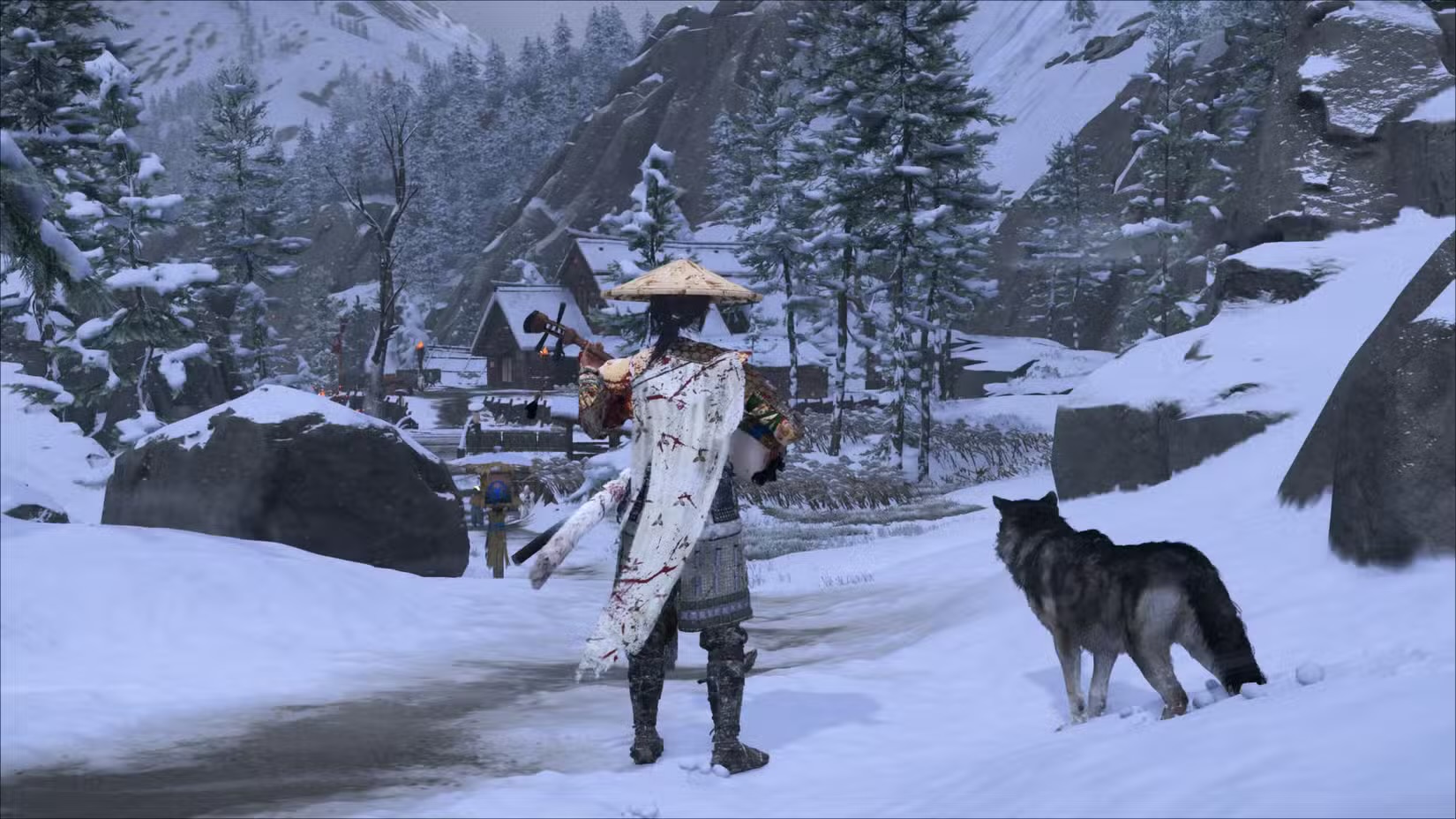
Companions are a thing, as well, and there’s a wolf who follows you around and assists. You can improve your relationship with said wolf, and it’ll come to your aid when you’re downed or at times when it senses you need help. This isn’t overdone though.
Of course, the duels return and are plentiful within. So, too, are the opportunities to challenge foes to one-on-one or one-on-two flinch matches to start combat. By that I mean holding triangle to prepare your weapon and trying to release it just as the foe attacks. They will flinch once or twice to try to throw you off.
There are a lot of skills to unlock, and these add new wrinkles into the fold. You’ll get added assassination attempts, new combos, the chance to earn health, the option to spend spirit to receive or instantly heal, and more. There are a number of different skill trees under a few different general umbrellas.
I’m not the best at parrying, which is important here, as well as a big focus of the combat. I rarely play games that utilize it, and have never cared much for it. However, this game does a great job of implementing it, like its predecessor.
This time around, blue attacks can be blocked and parried, red ones cannot and yellow ones aim to disarm you, meaning you have to go and pick up your lost weapon. That’s where having more than one can come in handy. Furthermore, different regions and targets’ bandit gangs come with their own challenges. A good example is the enemies in the plains and their love of fire, utilizing grenades and a primitive flamethrower. Other foes or bosses may utilize guns, which can be rather damaging.
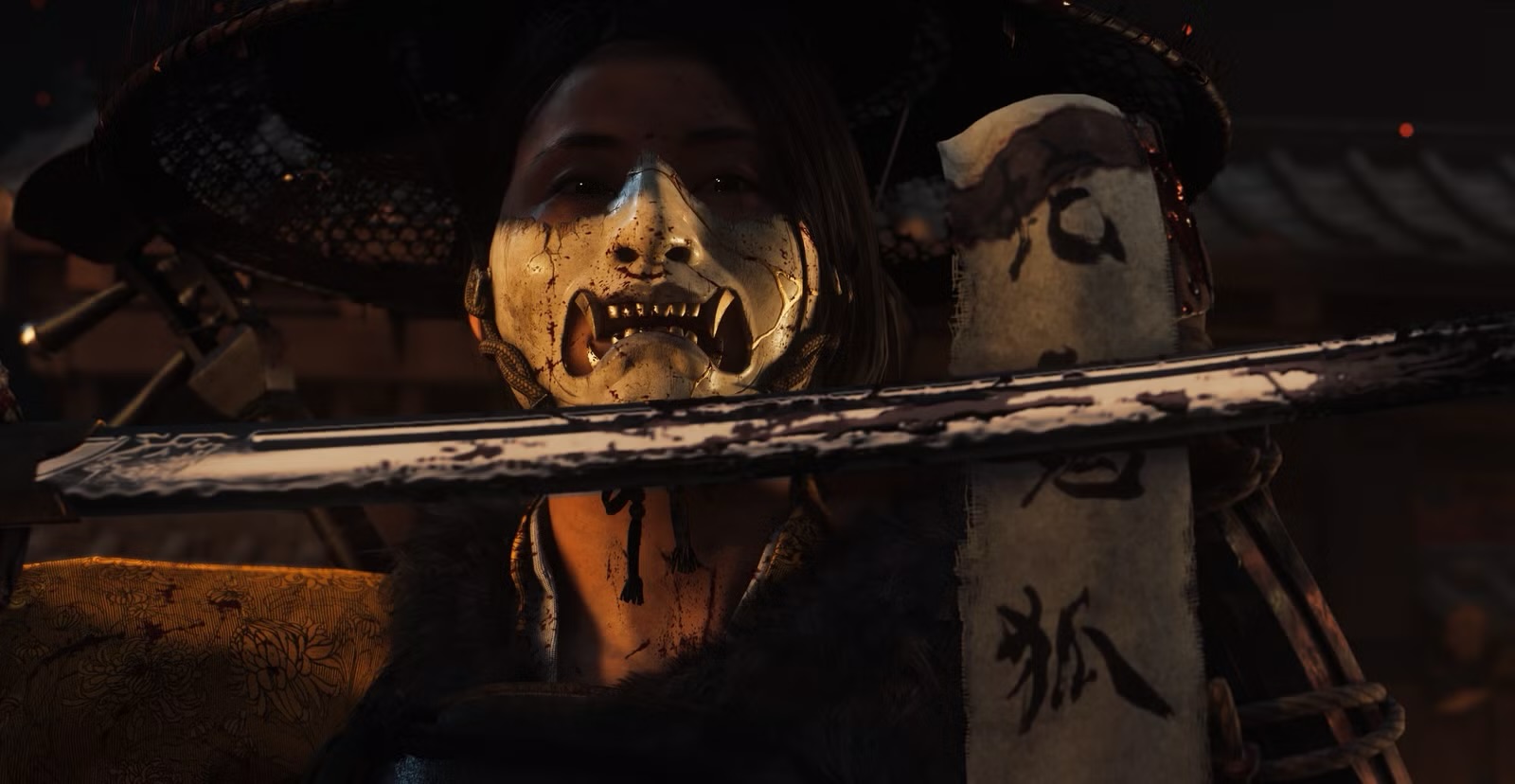
Other new elements in Ghost of Yotei include painting using the controller’s touchpad, learning and playing helpful songs on the guitar-like shamisen and gambling. The latter is done through a table based game wherein players flick coins at one another, and earn points by only hitting one. If you miss or hit more than one coin, either inadvertently or by ricochet, then your turn is forfeit. Meanwhile, if you knock a coin off the table then your opponent gets the point.
There are a number of flashback sequences involving important memories of time spent with family. When you revisit the homestead, you can play through these by pressing a button near what looks like the ghost of a person. Through them, you’ll chase your brother, learn how to make swords, paint with your dad and learn how to play an instrument with Atsu’s mom. This comes in handy later on, especially when you’re tasked with going back there to upgrade weapons. You can even play the instrument, cook food (fish or mushrooms for random bonuses), and more, when you camp. Those selling things or offering information may even visit your campfires.
The blacksmithing, playing music and cooking are all handled by using the controller’s touchpad or motion features. For instance, you can move the DualSense to simulate cooking food over the fire. You move it, then press a button to flip it so that it’s cooked evenly, but there doesn’t seem to be a way to burn it or ruin it. Meanwhile, making swords via blacksmithing is similar. You hammer the metal with the controller, and flip it to help even it out. Then, whenever necessary, you put it back in the fire to heat up.
There’s one other minigame I remember, which involves using the touchpad to strike flint towards kindling, then pressing R2 to blow on the sparks. This is a way to make fire. It’s possible to skip this minigame though, and I noticed that the game sometimes didn’t let me cook too.
Lastly, it’s important to talk about the fact that you can take on bounties. Hunting these unique folks down can help your cause a lot. There are even some special bosses that can be summoned by doing something like finding and ringing wind chimes. This came to fruition after I listened to a story.
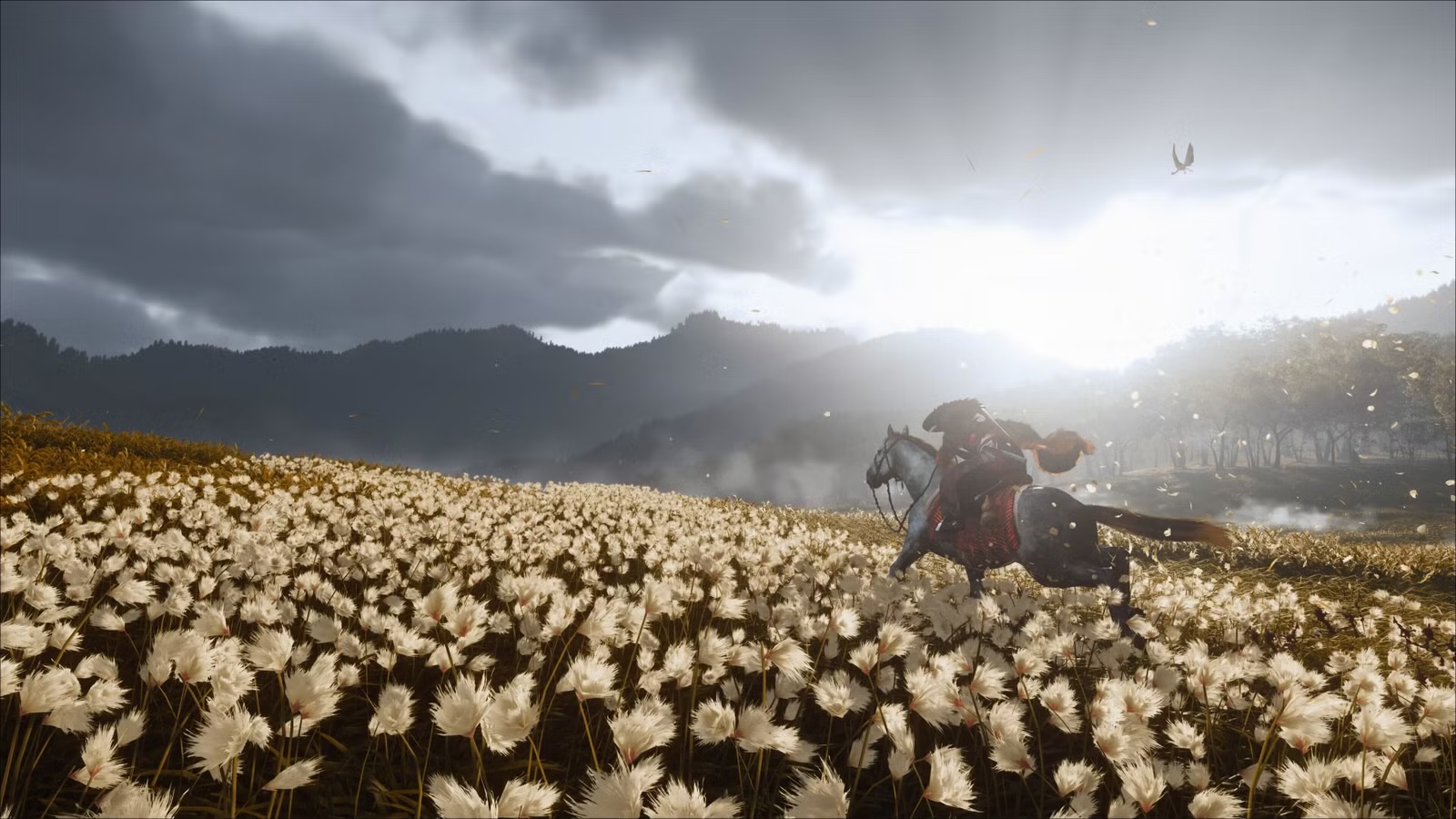
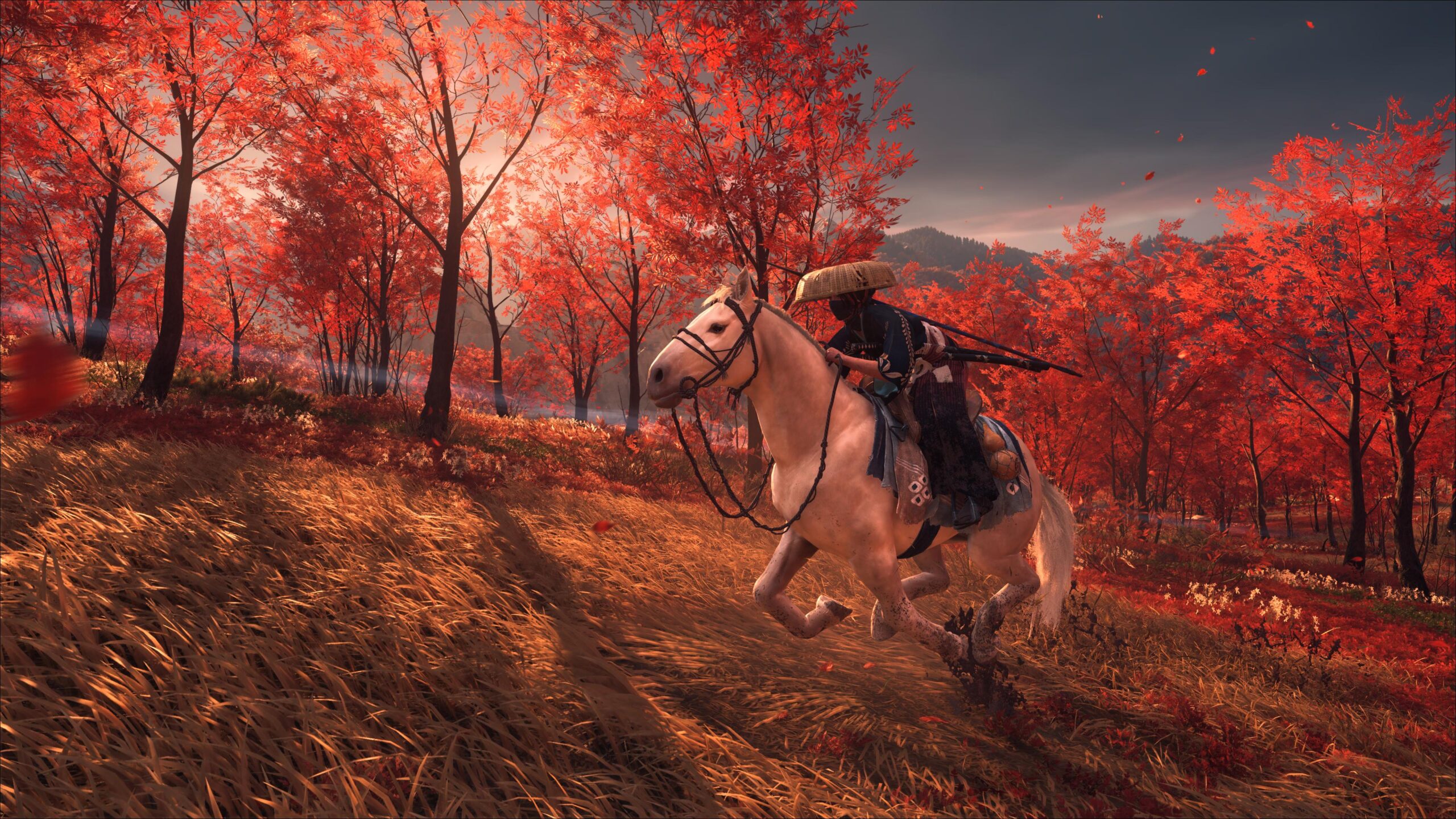
For the most part, the rest of the mechanics found within Ghost of Yotei are similar to those from its predecessor. After all, this is a sequel. As such, there’s lots of horse usage (with white flowers offering speed boosts), a good amount of climbing, swinging on ropes to reach new areas, collecting resources and buying, selling and finding gear.
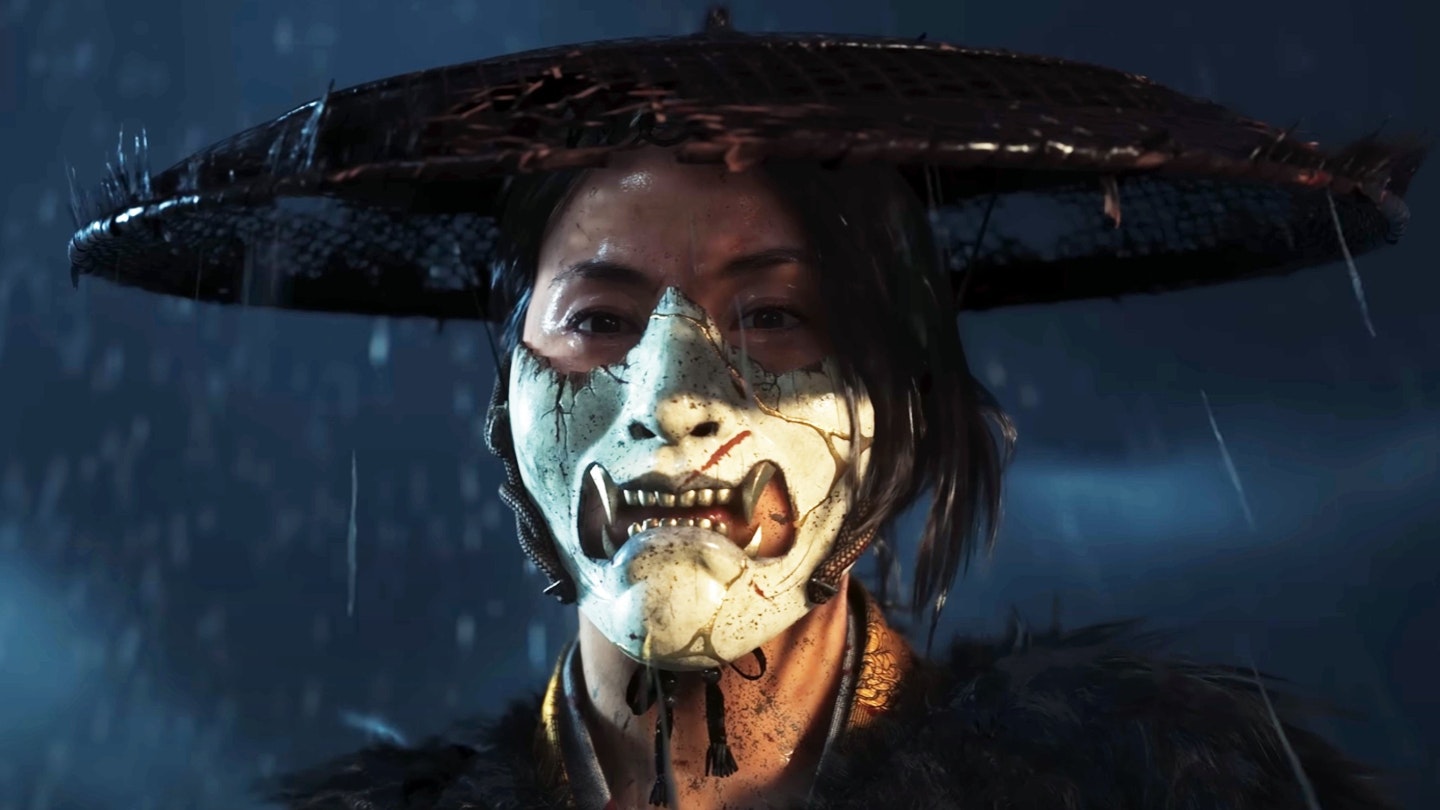
Atsu can equip armour, hats, masks, and multiple different charms, each of which offer perks and bonuses. There are major and minor charms, and some can be upgraded. Armour can be upgraded, and you can also dye or change the appearance of both it and weapons. Masks play a larger role, too, and there are a lot of them.
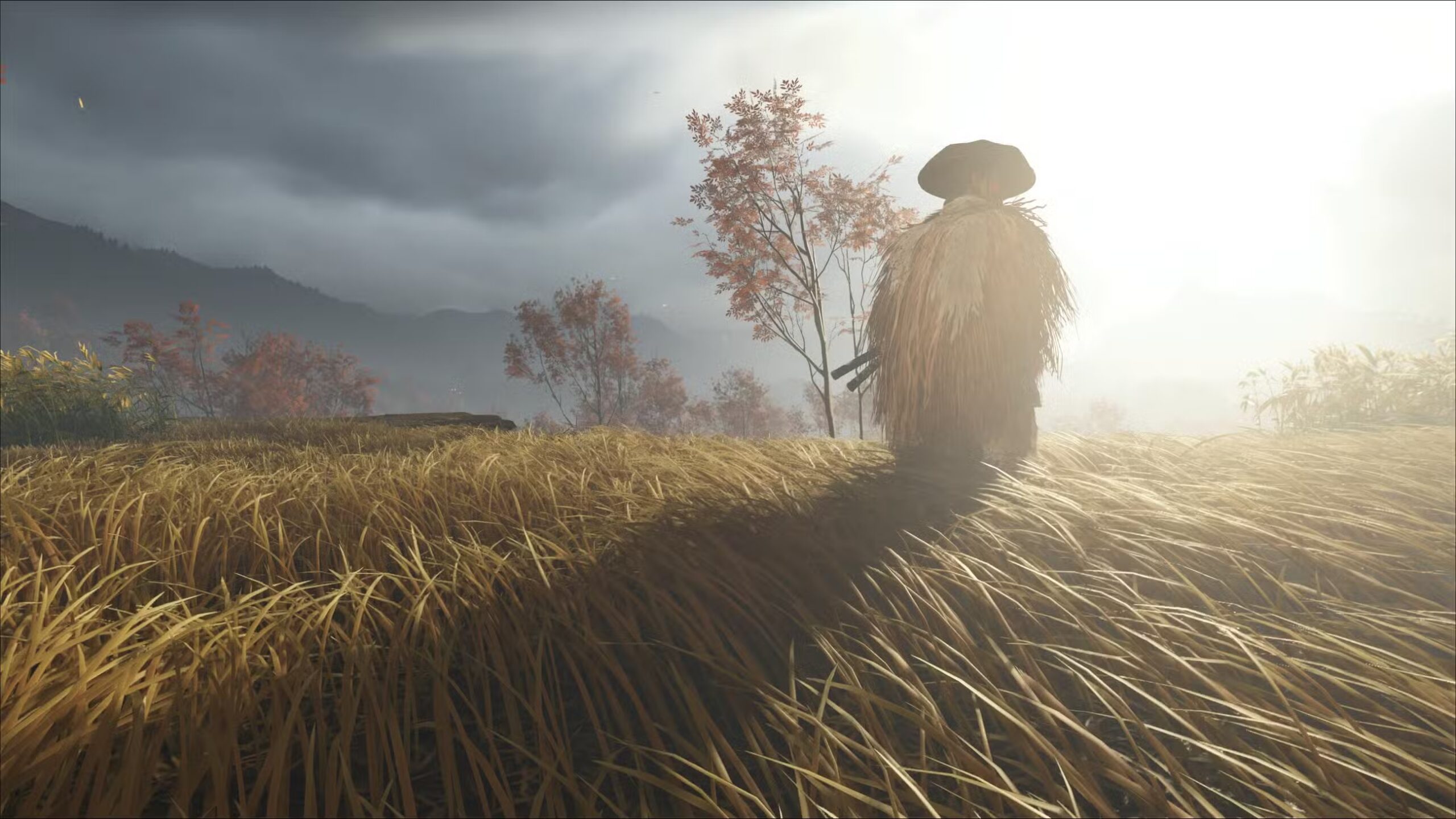
On top of all of the above, there is also a spyglass, which can be utilized to find new points of interest and objectives.
Ghost of Yotei is an incredibly immersive game, and it’s a treat to play through. It’ll take you a good amount of time, and provides a great bang for your buck. I like how they changed things up, but managed to keep it feeling similar, despite also feeling fresh. The new mechanics mostly all work very well, and it certainly isn’t lacking in enjoyment, content or innovation. They didn’t go too far either.
Presentation-wise, Ghost of Yotei is a beautiful experience. It’s often stunning, features great looking environments, characters and effects, and its art direction is tough to fault. There are filters, a photo mode, and lots of moments that will make you want to take screenshots. It also runs like a dream on PS5 Pro.
The music is also fantastic, and does a great job of setting the scene and making you feel. Additionally, the sound effects are great and add a lot to the experience, while the voice acting is quite good. Most of it is great, actually, but I wasn’t crazy about the performance from the girl who voiced young Atsu.
This is a huge game, and I haven’t fully completed it as much as I plan to or would like. There’s a lot to unpack here, and I get sidetracked so easily. I’m having a great time though.
Overall, Ghost of Yotei is an absolute winner. It’s another great game from Sucker Punch, and acts as an excellent follow up to an amazing game. I’m not sure if it’s the better of the two, but both are so good that it doesn’t really matter.
This review is based on a copy of the game that we were provided. It was played on a PS5 Pro.