

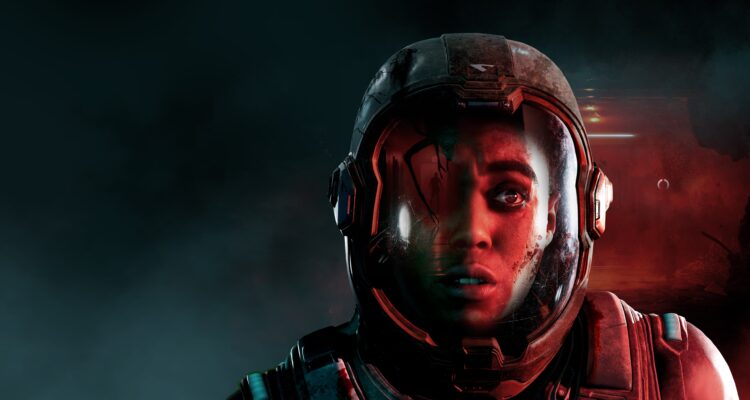
More than ten years ago now, Supermassive Games blew me away with their cinematic, narrative-focused, horror game, Until Dawn. Tasking players with making choices, completing quick-time events and avoiding danger in order to keep as many lifelike characters alive as possible, it quickly became a new favourite. In fact, I awarded it my game of the year, and the developer shared my article.
In the time since, Supermassive has continued to make narrative horror games using this same formula, and its branching paths, permanent character deaths and never ending sense of dread. They’ve primarily done this under the banner of The Dark Pictures Anthology, which has been a vehicle to release different, themed, experiences under the same formulaic umbrella. Like a series of connected, but differing horror movies, it’s forced players to attempt to survive a ghost ship, a strange New England ghost town with ties to the Salem Witch Trials, monster infested caverns in the Middle-East during wartime, and a dangerous slasher. I’ve played through, and reviewed, almost all of those games, finding them to be mostly decent, but also finding that they never reached the same heights of their incredible predecessor. The only one I’ve yet to play is The Devil in Me, which we didn’t receive review code for. I bought it during a sale, but haven’t gotten to it yet.
In the spring of 2022, they released another game called The Quarry, which I borrowed from the library and played through. I quite enjoyed that one — so much so that I later bought it for a different platform — and felt that it was second best. Then, in 2024, they released The Casting of Frank Stone — another similar title that brought a different type of gameplay to the Dead By Daylight franchise. It was alright, and enjoyable enough to play through as well.
Fast-forward to this month, and Supermassive is back with another The Dark Pictures game, marking what was originally referred to as the beginning of its second season. However, Directive 8020 — as it’s titled — doesn’t feature that branding on its box art. As such, it would be understandable if you thought that it was another of the similar, but standalone titles. It’s apparently the first in a new line of planned games, and follows the studio taking over development of the third Little Nightmares game.
After being talked about for some time, and teased with small snippets of gameplay and information, Directive 8020 is now available. We’ve had a chance to spend time with its interactive movie-like narrative, and can now share our thoughts.
Is the newest entry in The Dark Pictures franchise the improved, standout, and unforgettable experience that we were honestly hoping it would be? No. However, it is another solid and enjoyable horror story, chock full of important decisions, branching paths, dialogue options, QTEs and potential permanent character deaths.
Having obviously been inspired by classic sci-fi horror films like Alien and John Carpenter’s remake of The Thing, Directive 8020 sends fans of the series into space for the first time. It does this in the year 2065, and aboard an exploratory ship called the Cassiopeia. It’s been tasked with taking a four year-long journey to a new planet, in order to investigate its potential for terraforming and eventual human habitation. However, as the first of two planned ships (with the Andromeda, its terraforming equipment and more people behind it), the goal is to investigate Tau Ceti f without landing.
Although most of the crew — including the captain, the doctor, the science team and the mega-billionaire funding the trip — were put into cryosleep for the four year-long trip, two individuals were left awake in order to keep things going and act as the Sleep Team. We meet them near the end of their several year-long isolation aboard the dark, sterile and high tech ship, just prior to it being hit by a meteorite that punctures through more than one layer of metal and flooring. It’s during this opening chapter where we get to know Simms (who loves to send videos home to her mother), and her Canadian counterpart, Carter, who’s got a wife and daughter waiting for him on what is a failing planet Earth.
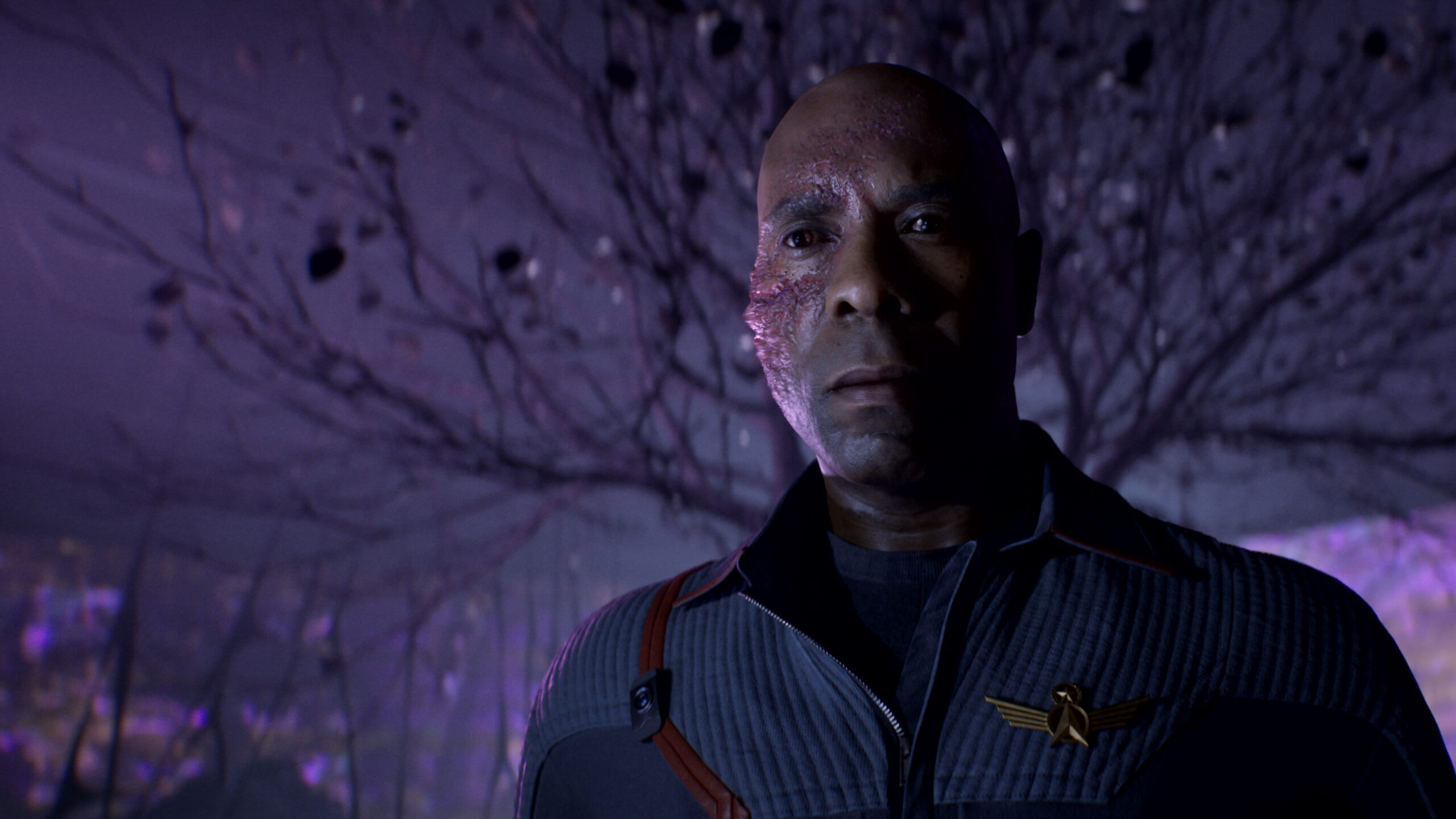
After doing their best to address the damage to the ship, and prevent more from happening, the two return to their duties. It isn’t long, though, before one’s behaviour begins to change, and the other begins to worry about their safety, going as far as to run away and try to hide.
Not long afterwards, the main players are abruptly awakened from their four year cryosleep, with little knowledge as to what’s gone on or why they aren’t being looked after by the two member Sleep Team. They eventually shake off the cobwebs, get up to speed and start to investigate, while also trying to do their jobs.
Over the course of what is an eight chapter, and several hour, long game, players will control several different members of the Cassiopeia’s team. They can expect to jump from one to another during chapters, and must do their best to keep them all alive, unless they’ve decided to try to do the opposite. This is handled through the usual means; by running from danger, hiding, pressing prompted buttons during conflict or danger, and making decisions. Failure to do so can have catastrophic consequences.
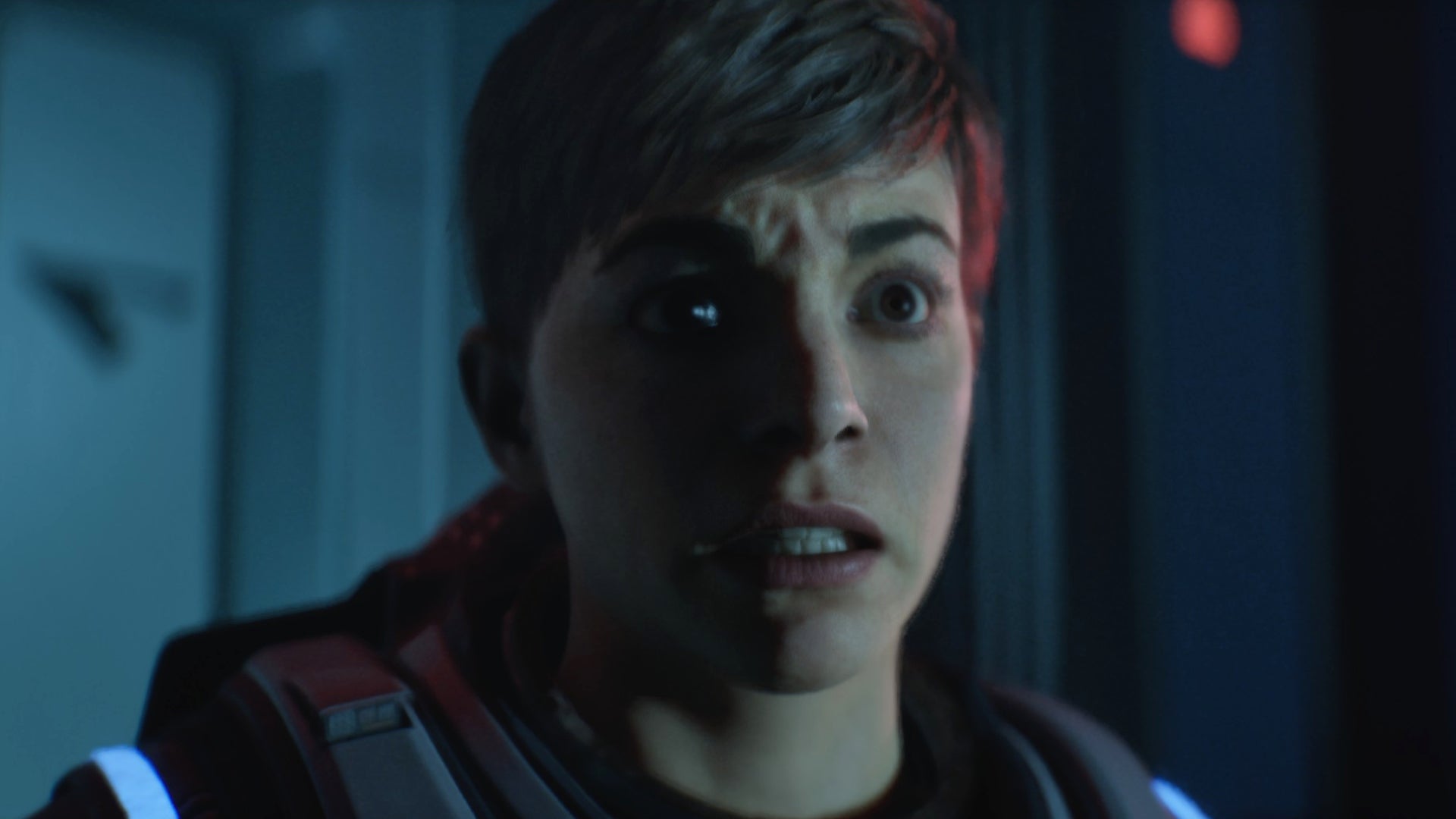
As players explore the dark, metallic and mysterious Cassiopeia, they’ll continue to visit a limited amount of similar environments. At times, they’ll be able to explore them in search of a small amount of advertisements, documents, video diaries and the like, en route to their objectives. During other segments, they’ll be sneaking around dangerous beings in stealth-based fashion, while using a pulse mechanic to look for both the enemy’s location and where to go to flip switches, power locked doors and complete basic puzzles like that.
There are a surprising number of these stealth segments, wherein you must analyze predictable enemy movement patterns and then move from one hiding spot to another while their backs are turned. Since their movements are so predictable, and they often can’t see you unless you’re close, this often isn’t an issue and is more of an inconvenience. However, these bad guys tend to teleport from one room to another, and it can sometimes seem like there’s more than one of them. They’ll maybe disappear and then reappear elsewhere, or — as happened to me once — you’ll think they’re far behind you, just to walk through a door and be attacked.
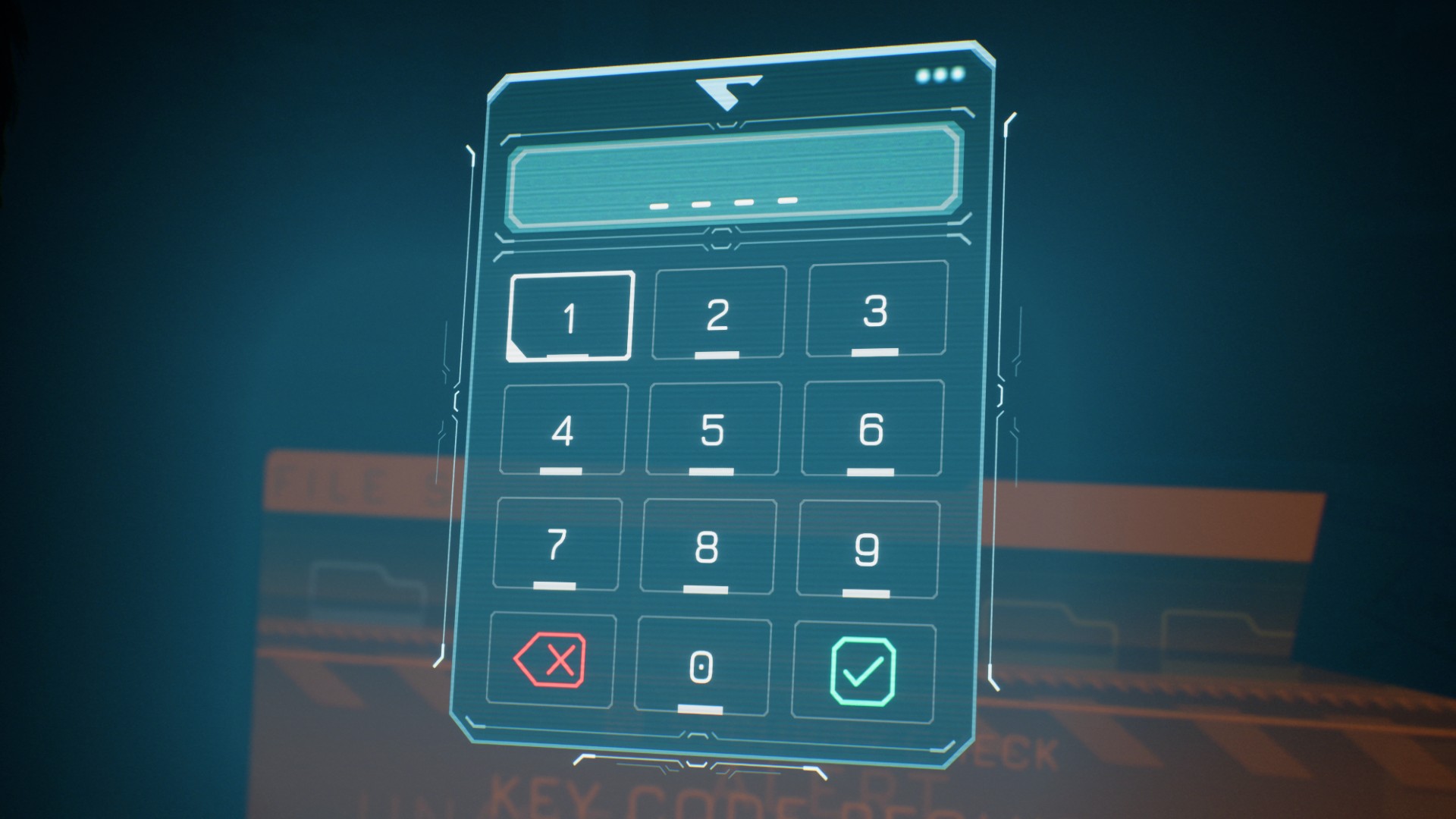
These stealth and puzzle segments slow things down, and don’t really make the game better in any way. They’re overused, repetitive, cumbersome and kind of forgettable.
This particular instalment in the series features early choices that can affect things later on, such as which part of the ship to take power from in order to regulate the reactor. I think I made the wrong one. However, I was stuck with my decision, because I chose to play on the Survivor mode.
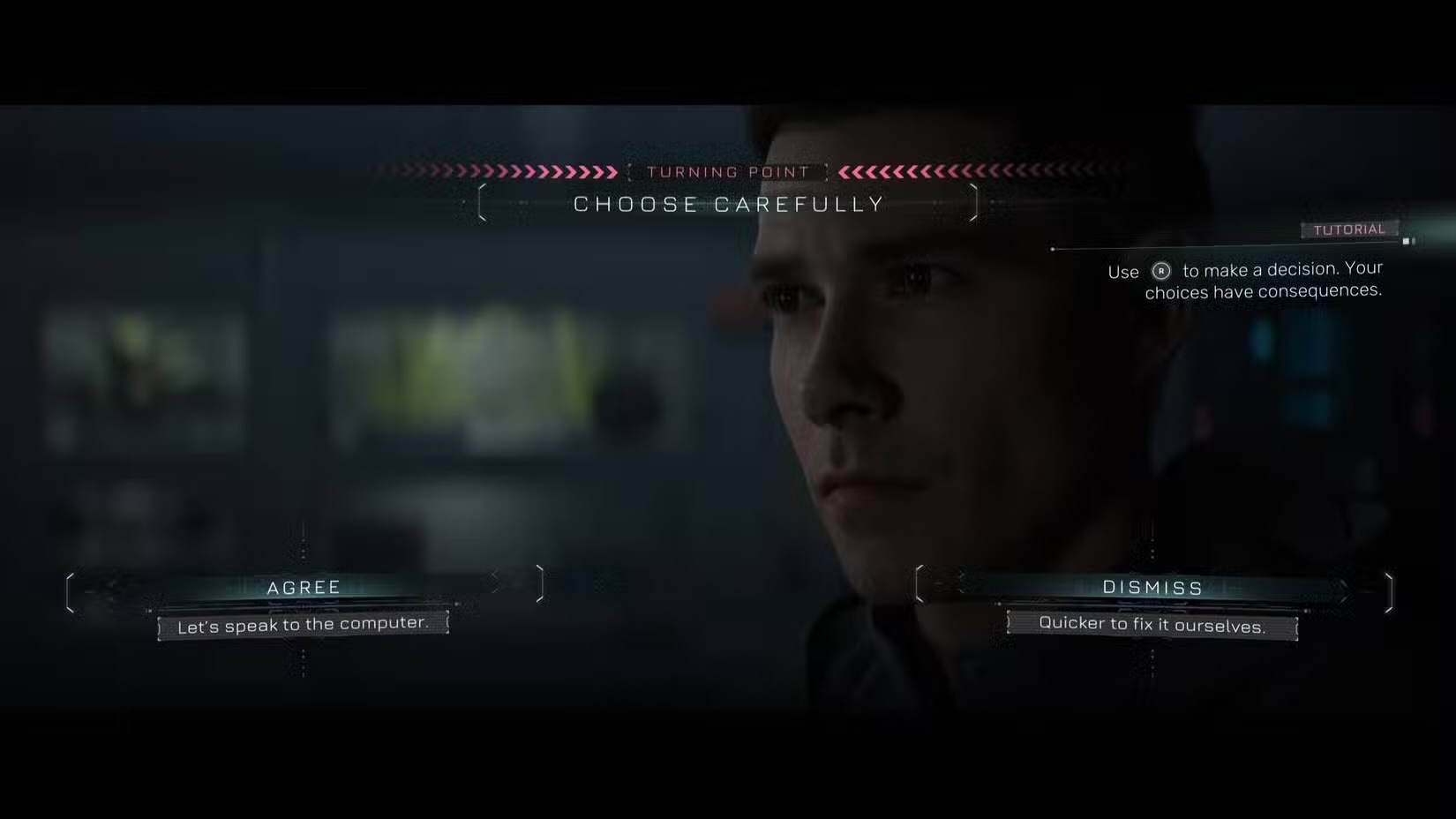
Unlike its peer, Survivor mode basically locks you into your choices and your path, meaning that you can’t undo anything, which is more than sensible and what I wanted. However, there is another mode you can choose, which lets you use the Turning Point system, allowing you to go back and change previously made decisions. Since early ones impact later events without much foresight, this can mean going quite a ways back. However, it is also possible to rewind after making a decision and feeling regret afterwards.
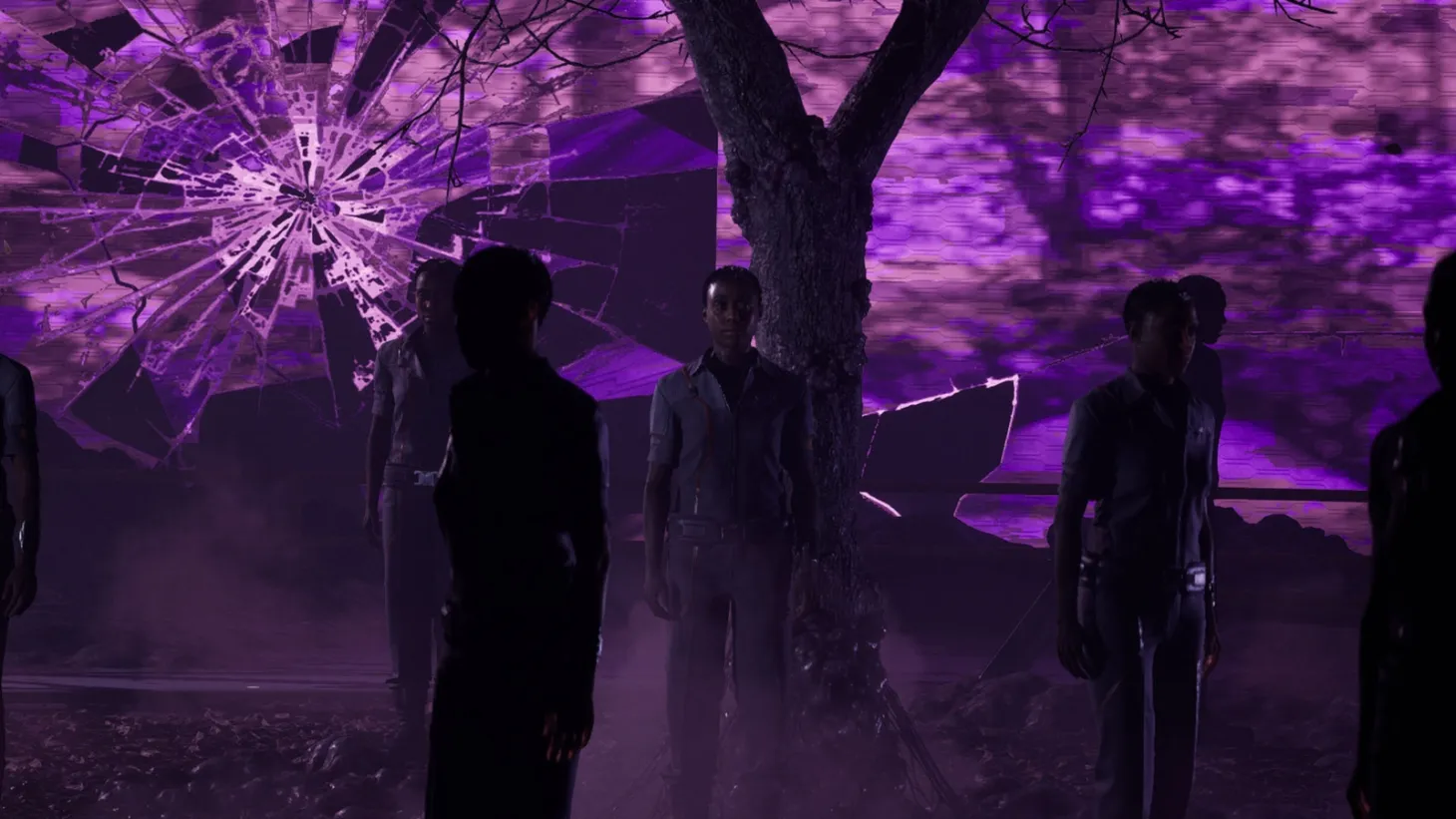
One downside to the Turning Points system is that you can’t skip cutscenes. This will maybe make it cumbersome for some, but the benefits outweigh that con for those who’d prefer to be able to change past decisions.
I was unable to play this game in multiplayer, but those who’d like to get together with some friends and play together can do so. They’ll be able to take turns controlling characters, or can assign multiple characters to one person. I’d much rather play alone, though.
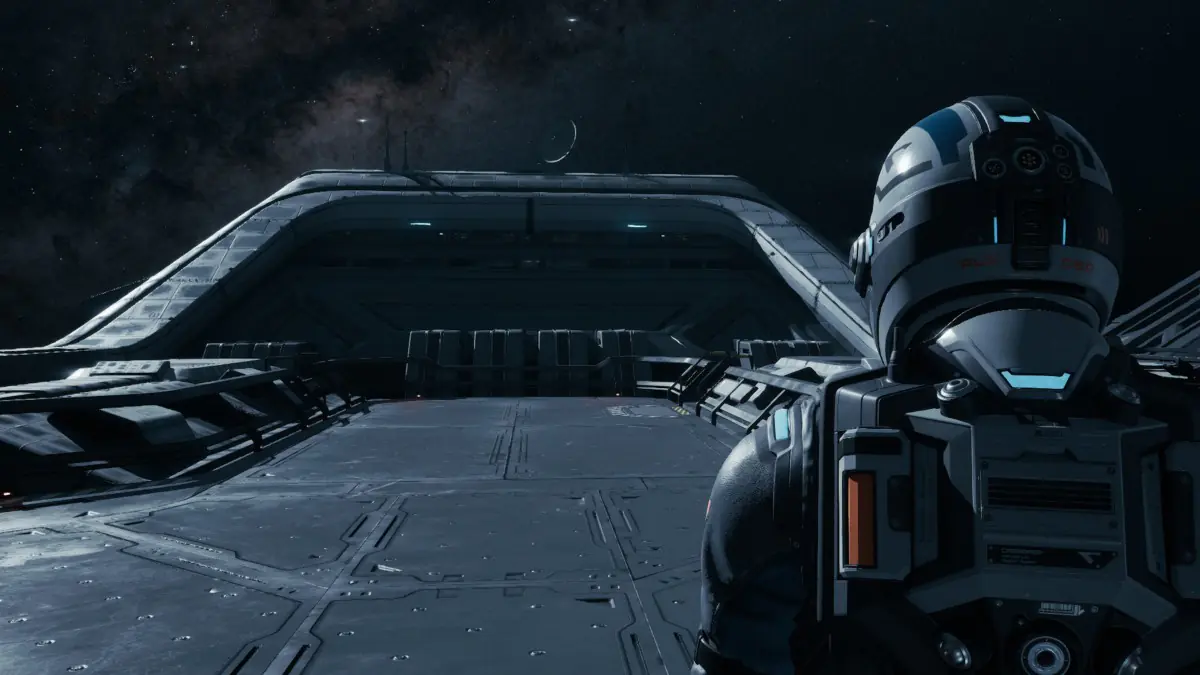
Like the science fiction and sci-fi horror movies it’s very obviously been inspired by, and has arguably borrowed too much from, Directive 8020 presents a mostly contained location in the form of a ship full of silver metals, computers and other futuristic tech. Due to this, its environments and chapters start to feel similar, especially given the fact that certain locations are reused, both for good reason and maybe out of necessity. This leads to the game world feeling small and contained, and lacking visual variety — at least for the most part. However, given the nature of this space-based story, it’s also to be expected. I just wish there’d been more variety, somehow, and that exploring the Cassiopeia had been less rigid and more fun. There’s just so much repetition, and so much metal, dark shadows and sterility, outside of sections of the ship that have been changed and affected by the damage and its lasting consequences.
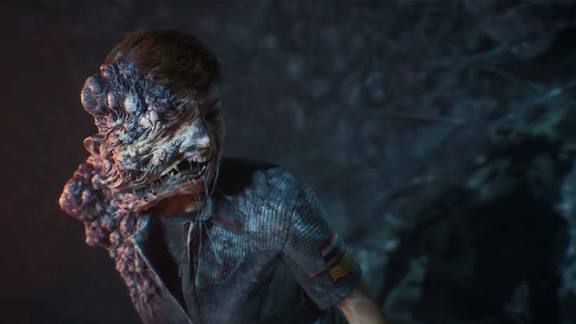
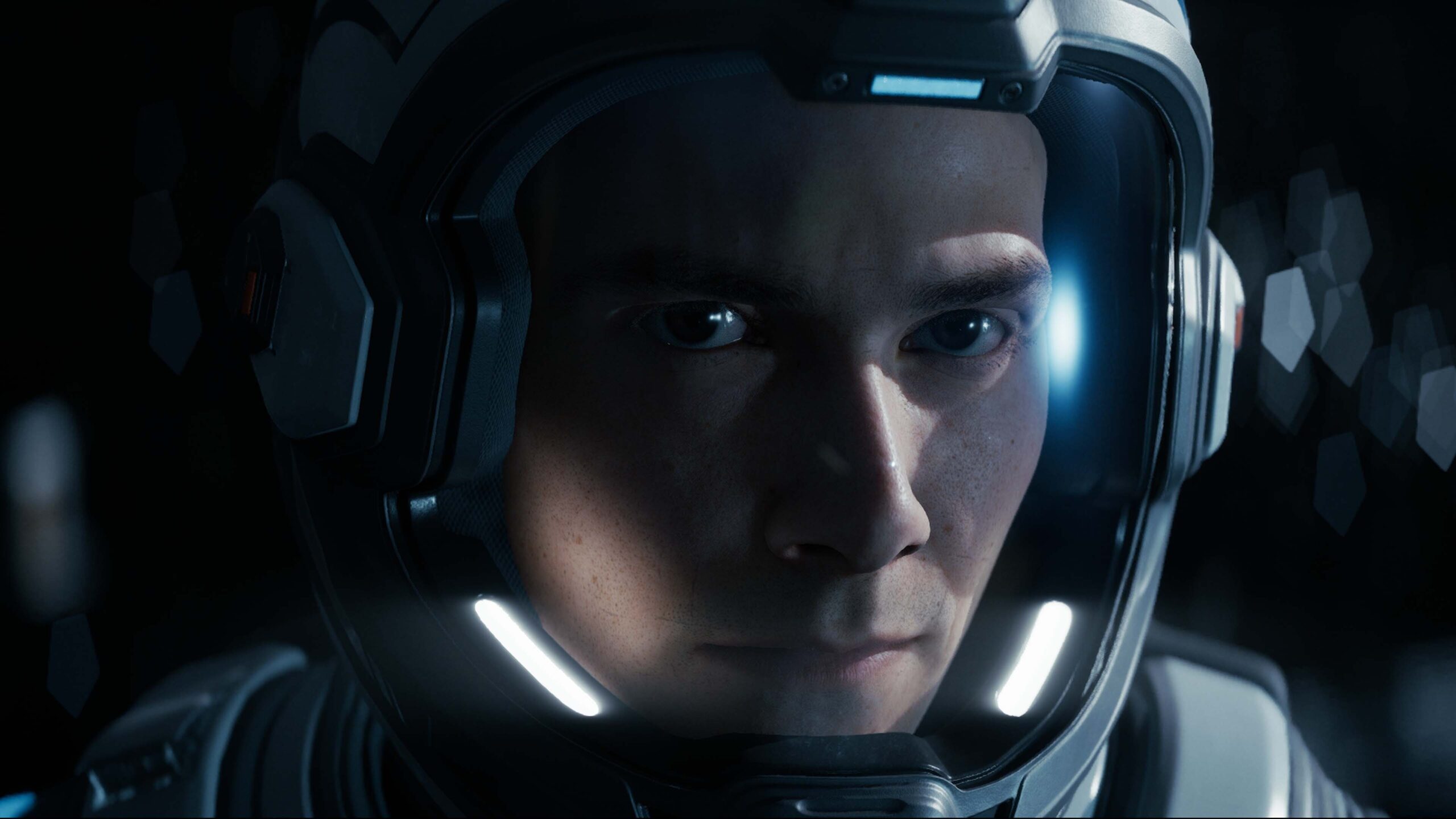
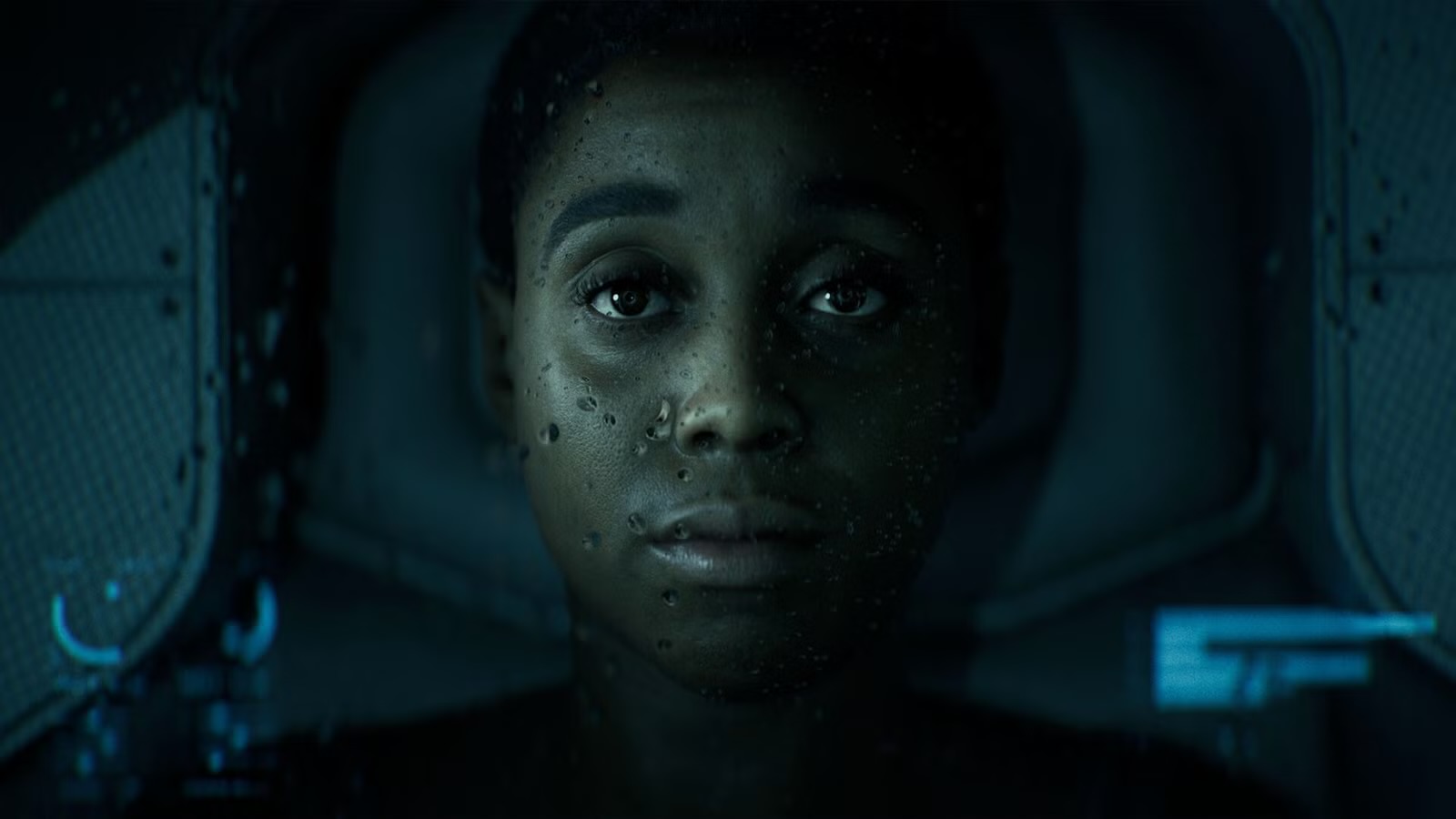
While the game features some pretty nice-looking characters, in terms of their realistic faces and facial animations leading to it feeling like an interactive film, it’s not without flaws. For instance, some of the third-person character animations are rigid and kind of limited, and the cutscenes look better than the gameplay because you get to see the actors’ faces. I also get the impression that the engine may be starting to struggle, because there was one section (involving sneaking around while avoiding a monster, powering a bridge and then extending it for escape) where the game kind of chugged. The audio was ‘skipping,’ and the framerate was struggling noticeably. I worried that it may crash, or something, but things got better once I finished that segment and watched the following cutscene.
Although this is presented as an interactive movie, some aspects of it are better than others. While it features a decent amount of atmosphere, it’s been done better in other movies and games, and I wasn’t as scared as I’d hoped to be. The characters didn’t feel as in danger as in some other games (like Until Dawn), and I didn’t connect with them as much as in previous instalments.
As is usually the case, some are more likeable than others, and you develop favourites who you want to protect most. This becomes important when you’re asked to choose between two, as can happen. However, it’s also true that some of these characters have more depth and emotional range than others, and that some are better written than others. The voice acting can also be hit and miss, including in one case where an accent seemed to change later on. Either that, or the delivery of one line was just unexpectedly odd.
The editing is also a bit of an issue herein, as there are occasionally jarring or abrupt changes in scenery and characters. It’s not always as smooth as one would hope.
I feel like this review has been primarily negative, and I don’t want to make it seem like I hated this game or did not enjoy my time with it. In reality, I played through seven chapters in one sitting, then got some much needed sleep before returning to finish it. I did enjoy it, as I have enjoyed all of these games. It’s not a bad, negative or tough to enjoy experience. It’s just not as good as it could have been, due to limitations and some questionable decisions.
In conclusion, Directive 8020 isn’t the large step forward for interactive movie kind that we had hoped it would be, having looked forward to this game quite a bit since it was announced. It’s a pretty good game, and enjoyable to play through, but it feels limited and lacking in certain regards. It also carries forward some of the issues of past The Dark Pictures Anthology games, and has some of its own, like overused stealth segments. Still, I enjoyed it and am glad I played through it. My expectations were admittedly high, though, and I was expecting a bigger leap forward.
This review is based on the Xbox Series X version of the game, which we were provided with.