

Although I never truly played the sport proper, hockey cemented itself as my favourite one in the early to mid-nineties, thanks to a grandfather who loved it, cousins who played it and, in large part, video games. I still remember the day that my other grandpa took me to the mall, and I bought a used copy of EA’s first hockey game, that being NHLPA 93, from someone who had a swap meet-style table in the concourse. However, I think I’d played NHL 94 and maybe others before that occurred. Regardless, I was hooked on it, and eventually became so obsessed with NHL 96 that I couldn’t even tell you how many hours of my life were spent with it. Even when I got an N64, my Super Nintendo Entertainment System remained hooked up to the little TV in my bedroom so that I could play that game. Then again, it’s not like the N64 ever really got any truly good hockey games.
Somewhere around there, I changed from a fair weather Los Angeles Kings fan (due to Gretzky) to a diehard Toronto Maple Leafs fan. Ever since, I’ve both bled blue and white and suffered. Please keep the 1967 jokes to yourself.
Over the last 30 years, I haven’t missed a yearly installment of EA’s licensed NHL games, and played a lot of its competitors too. There were some that I didn’t like (‘95, ‘03 and ‘05) or own, but I still played them all in some capacity. Whenever I bought a 2K game instead, due to a low price point or wanting a change, I found that I couldn’t get into them and regretted my decision.
I’m not 100% sure when I started reviewing them, but I think it was with NHL 12. I remember going to an Xbox Holiday Preview Event in Toronto, at a club behind Medieval Times, where I excitedly demoed the game. It wasn’t long, though, before I was kicked off of the couch and asked to stop playing by a grumpy representative, because cover athlete Steven Stamkos was going to play. I doubt he will ever read this, but I apologize for the sweaty controller. My hands don’t normally do that while gaming, but they did that day from a bit of anxiety.
Jeremy Roenick was also there, and was interviewed beside the TV while Stamkos played. I remember him giving me a really weird and dirty look for no good reason as I watched the interview.
That’s a really long-winded way of saying that I’ve been playing hockey video games for over three decades, and have also been reviewing them for almost one-and-a-half.
Earlier this summer, I was invited to partake in a virtual preview event for this year’s NHL 26. It was basically a live presentation from the developers, where they showed us things that hadn’t been shared. Due to personal and family health issues, I didn’t get posting it all when the embargoes broke, but they were nice enough to send me the promised review code regardless. Thanks to that, I can now share my thoughts on this year’s game, having spent a good amount of time — including most of the last day — playing it.
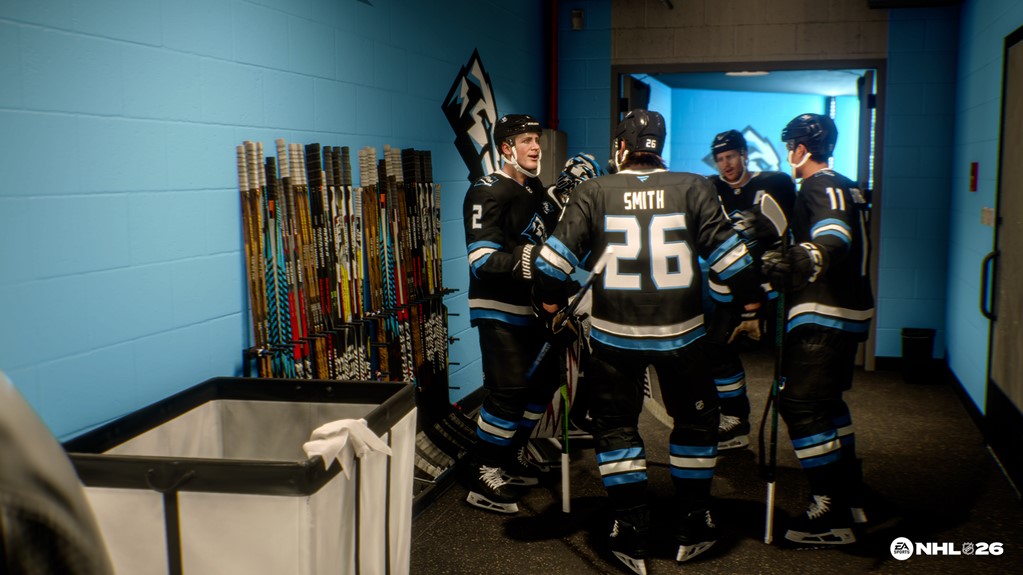
To be honest, I’ve really struggled to review the recent games in this series. In an attempt to chase added realism, EA Canada and its development partner(s) changed its engine, and revamped the gameplay quite a bit in recent years. What was once a slightly more arcade style game is now more of a sim than ever before, and it’s been hard to adjust. That was especially true the first year that they introduced the hit stick, and made it much more difficult to hit opposing players. I really didn’t like that, as it changed the way I played these games. I used to hit a ton, and I still struggle to hit even a fraction as much with the new system. That’s probably intended though, because hitting and fighting have lessened a great deal from the 70s, 80s, 90s and even 2000s. Hockey is now a much faster game that promotes speed, skill and finesse, and allows smaller, talented, players to flourish. Players like Mitch Marner, who I’m glad to have moved on from, but also scared about losing all the same.
Then again, I’m trying not to care as much as I used to, because it took a severe toll on my mental health.
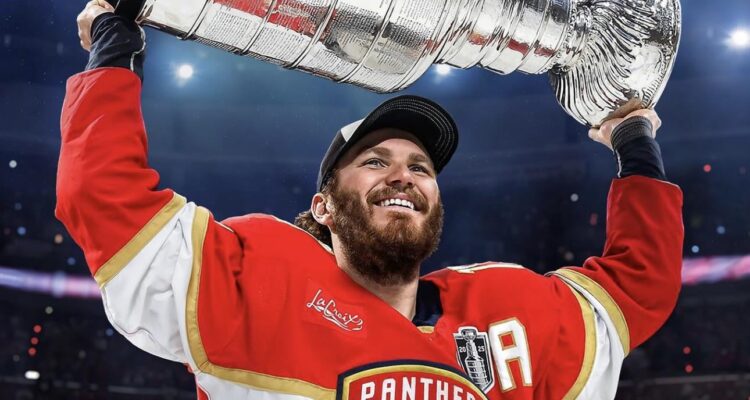
NHL 26, which was developed by EA Canada and EA Bucharest, features cover star Matthew Tkachuk of the repeat Stanley Cup Champion Florida Panthers. The Deluxe Edition also shows his brother, Brady, who captains the Ottawa Senators, and their father, Keith, who was an All-Star for teams like the Blues and Coyotes.
If you’ve been following NHL 26 in news posts and/or watching trailers, you’ll know that the biggest selling points include the introduction of ICE-Q 2.0, which uses NHL EDGE tracking data to make what is supposed to be the most realistic iteration yet. What that means is that this year’s release uses the National Hockey League’s own player tracking data to try to make the digital versions of those players behave more like their real-life counterparts. To be honest, I can’t say that I’ve specifically noticed it a ton yet. Things haven’t seemed all that different.
The other big selling point is a revamped Be a Pro mode; that being the mode in which you create a player, then take him from junior to the pros and simulate the interactive version of a real life NHL (or AHL) career. Thankfully, this means that there’s no more “Pricey pond hockey!” That’s a blessing in and of itself because, after so many years, we were beyond sick of that opening cutscene featuring an agent talking to announcer James Cybulkski about his coveted charge having fun playing pond hockey on a frozen lake near a chateau. It, as well as the mode’s severely repetitive and outdated trappings, has disappeared. This is a great thing.
This year’s BAP is more choice and outcome focused, kind of like the good Live the Life mode was like years ago. You still create a player, and get him drafted as high as possible, but you’ll answer questions at press conferences and those will help dictate your player type, your goals, who you’re drafted by and how much you’re liked by your teammates, management, fans and the like.
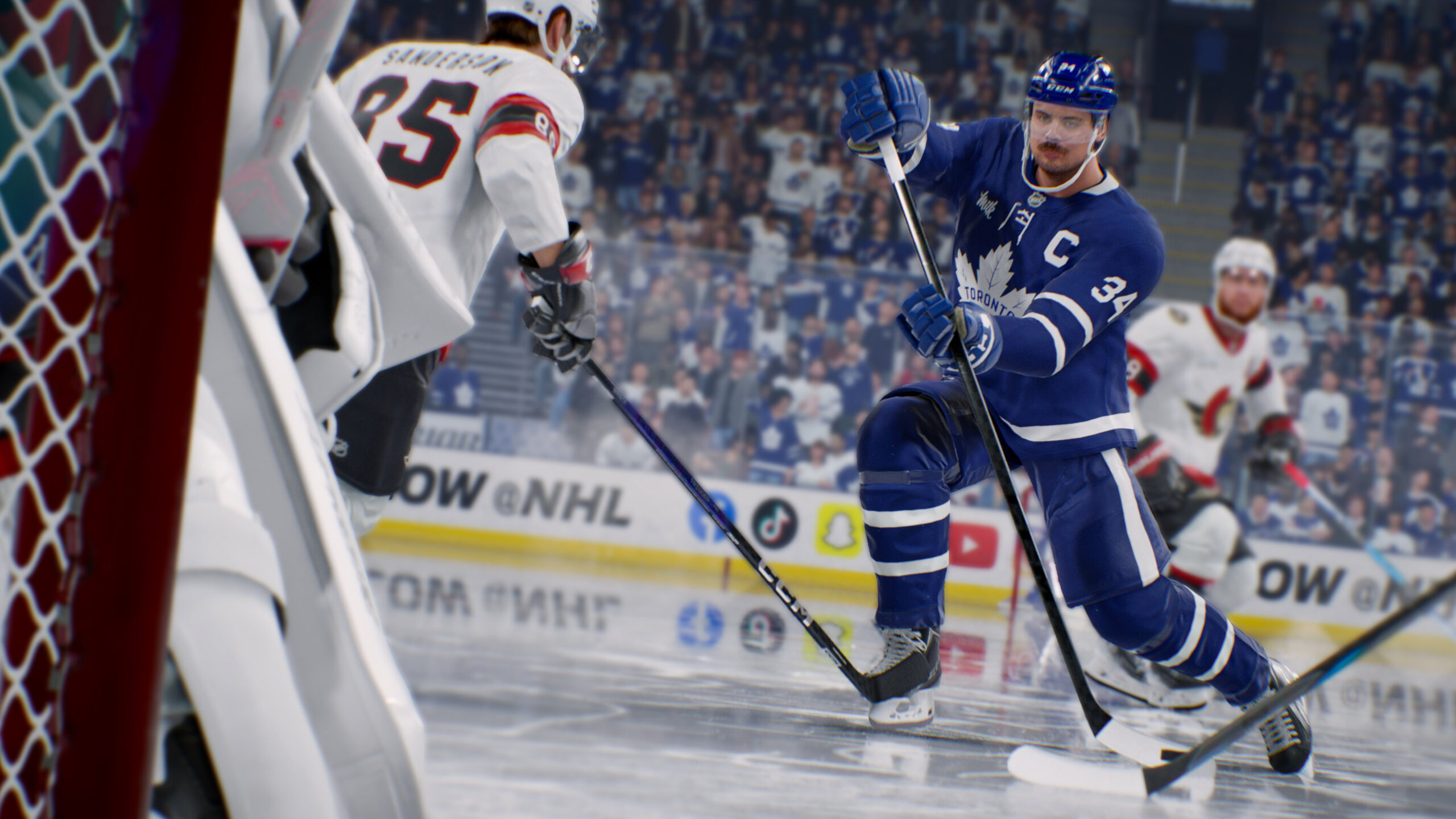
Things actually begin in the World Junior Championship, which is appreciated. However, it sadly only includes the final couple games as opposed to the whole tourney. You create your skater, pick your country and then play for gold, silver and bronze. However, I think I received a trophy and no medals after winning.
Being Canadian, I represented Team Canada, and was both its highest touted prospect and its highest scoring player. As a left winger, I dominated the tournament, and helped us win gold. It wasn’t easy, though, because — despite going up 5-0 on the Americans in the final game — we were lucky to win 6-4. The catch-up AI was absurd, making it so that Team USA repeatedly scored (without much trouble) to open the third period.
I noticed this in other aspects, including two of the final Memorial Cup games that followed. I also won that tourney with a local CHL team, but the Wildcats tied the championship game with little time left to force it to OT like its predecessor. The previous game had also gone to OT.
Following that, I answered a bunch of questions at a couple of press conferences and even received some very monotone calls from young San Jose Sharks star, Macklin Celebrini. He called me a few times, actually.
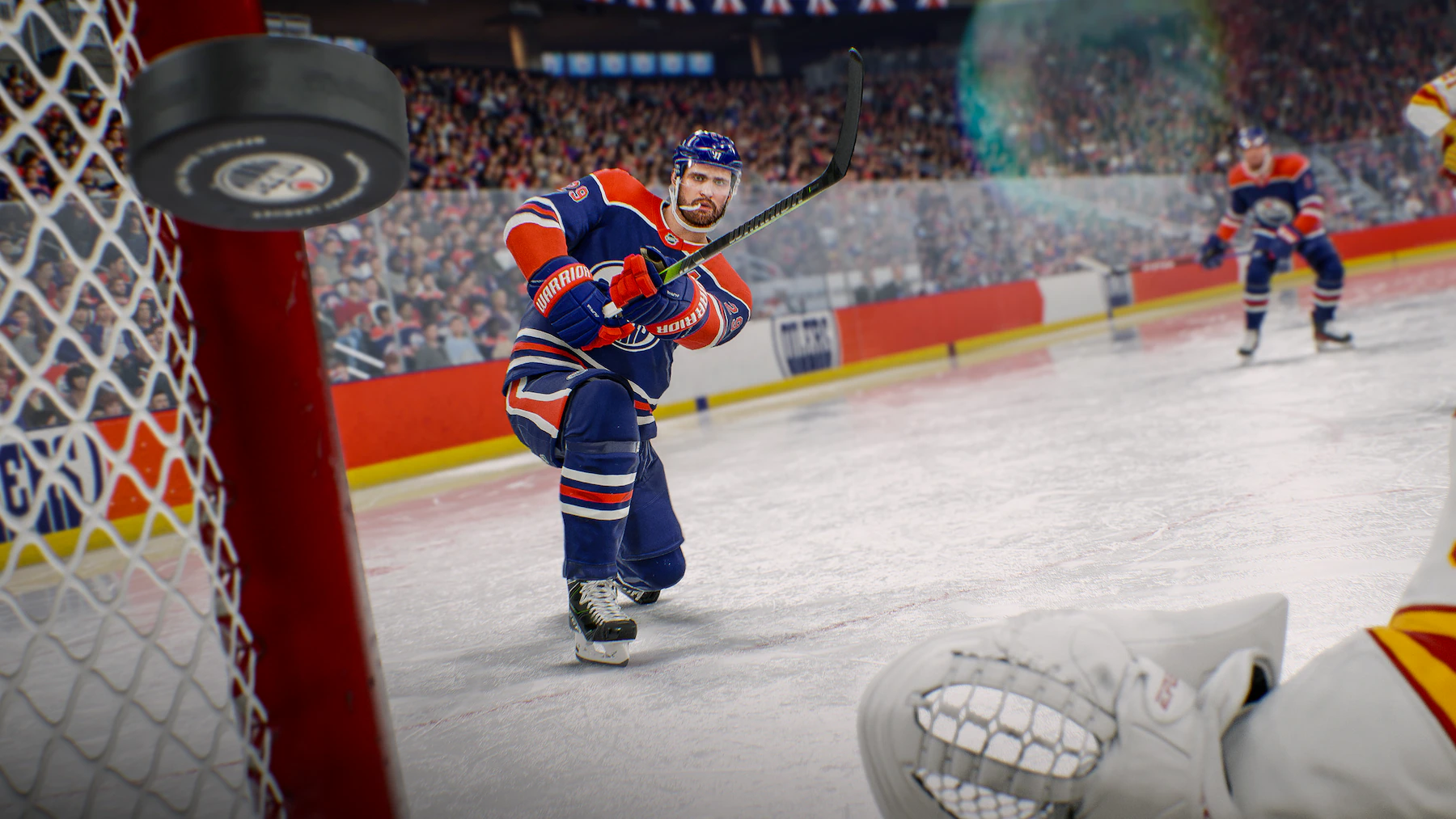
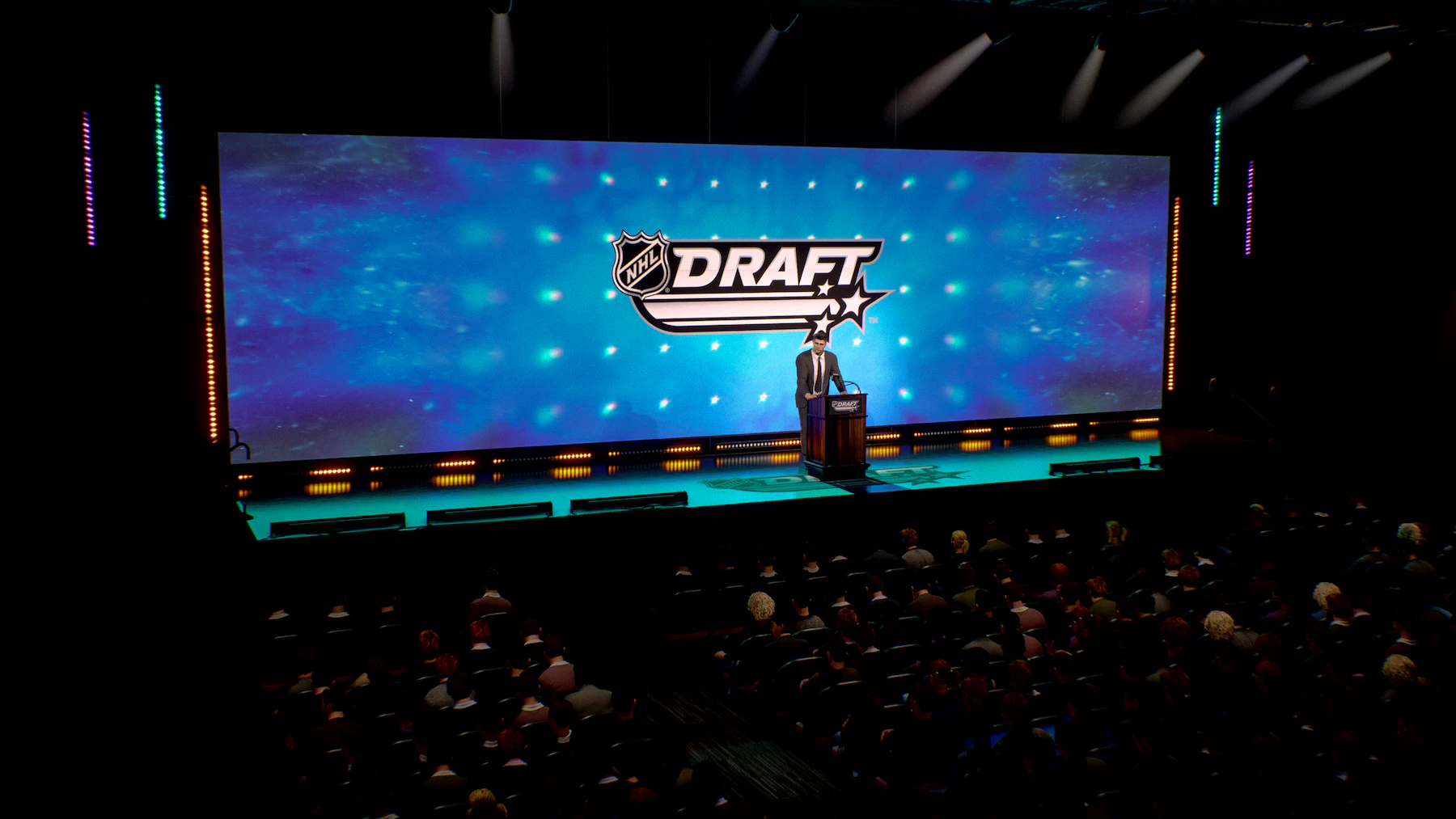
The questions that I answered were about my player’s future and his hopes of being drafted. Although I thought I picked well, it said that my draft stock fell after a couple of them, and the ranking on the side fluctuated around 5 and 6. However, the news headline that appeared in my Be a Pro menu said that I was the expected first overall pick. That didn’t turn out to be true, though, as I went sixth overall to the rebuilding Philadelphia Flyers.
To be fair, the game did ask me if there was a particular place that I wanted to get drafted to, and I almost chose the Leafs. However, curiosity got the best of me and I didn’t choose that option. Now I regret it, because I’m not enjoying being a Flyer despite liking the colour orange a lot.
When I went to the Flyers to start the preseason, I spoke to my agent and the GM. I was given the seven games to try to make the NHL squad, and things started off well with a goal and one or two assists. However, after that, it was like shooting at a brick wall. I still focused on my wraparounds, my snap shots and trying to pick the top right corner, but nothing went in. Even trying different things didn’t end up in goals, or assists, until I got another apple in the final game. It was too late, though. Despite being the player with by far the most shots, scoring chances and energy, I was demoted to the Lehigh Valley Phantoms – something that I don’t remember being possible in the recent and overlong iteration of Be a Pro.

Although the developers promised a game that would feel different and more realistic, my time with BAP began to drag. After a while, every game, shift, scoring chance and the like felt the same. I didn’t feel like I was able to pull off the shots I used to with the Skill Stick, and most of them looked similar. I used to be great with it, but something has changed. Furthermore, there wasn’t much in the way of exciting plays from my teammates or opponents. I still haven’t seen anyone pull off a one-timer.
Though I do appreciate the effort that went into overhauling the mode, and enjoy the press conferences, the choices and the like, I’m on the fence about some other changes. For instance, the fact that you have to spend energy on or drain health from different aspects like your X-Factor skills (yes, those have returned), your brand, your teammate likability and the same of management. Oddly, there’s also a tiredness rating here, and I found that I was regularly having to spend energy to replenish it. If I didn’t, my player was sluggish on the ice because he’d lost skill points in his skating abilities. This rather odd system is currently broken, and it severely hurts the revamped mode.
Why was a young hockey player exhausted after playing just a couple of games in January before playing only several in the Memorial Cup the next spring? It seemed like he was constantly exhausted after very little hockey.
NHL seasons are 82 games long, and they will soon increase in length. That’s not including the preseason and playoffs. These players are far better conditioned than this game suggests, and it shouldn’t punish you so severely. As it was, it felt like the players had too much weight to them and skated too slowly. For the first time, I actually went in and upped the skating speed from about 33 (default) to 75, but it didn’t make a major difference. I also adjusted other settings like shot power, and I did it fairly for both myself and the computer. Still, it felt sluggish.

Moving on, there’s also a ‘form factor’ rating, and you have a goal of getting it to 80%. This factors in how you play, your production and the like, or is at least supposed to. However, despite being the most active and hardworking player on my NHL team, I had a form factor of about 46. I guess it’s heavily scoring based, because I had a form factor of 100 in the previous junior tournaments. It seemed to be the main reason why I was demoted, and seemed overly harsh.
Be a Pro has been my favourite mode for years, and I think this is a step in the right direction. However, it needs to go further and certain aspects need to be adjusted or even neutered.
NHL 26’s iteration of Hockey Ultimate Team, on the other hand, now has new menus, multiple ways to play and a single player season mode called Cup Chase. Therein, you play something like 18 games against computer controlled teams, before hoping to get into the playoffs. I’m glad that there’s more single player content there like this, because I’d rather play this mode offline.
On top of that, you can play in important historical NHL moments, complete training objectives and more challenging ones, and play against others online. You can even draft your own dream team from scratch.
For the uninitiated, HUT is a big focus of NHL 26 and its predecessors. It’s the mode in which you open packs of cards, create a roster and then build on it by earning in-game currency to buy more packs or bid on players from the user-controlled auction house. Of course, you can also spend real-life money, and it’s dangerous for those with spending or gambling problems because it can feel pay to win.
I was first asked to pick a captain, and I chose Patrik Laine despite my team being Leafs themed. Then, I got to pick a couple past star cards (Teemu Selanne and Rob Blake) and one current star (Matthew Tkachuk). I was surprised to see that my team also included a lot of prominent NHLers like Leafs captain Auston Matthews, although he was only rated at 78. In the past, you were lucky to get a handful of NHLers at the beginning. Maybe that’s still there in other gameplay options within the mode, though.

I really like the idea behind HUT, but I don’t have the time or energy (or potential money) to invest in it in order to get good or do great. I’ve played it casually in the past, but generally focused on Be a Pro and online versus.
Honestly, my favourite mode these days is Ones, which drops you into a pond hockey challenge against two other, human controlled, players. It’s you three versus the goalie, and versus each other, with the goal being to see who can score the most goals in a few minutes. I rarely win, but it’s always a blast.
Threes returns as well, but I’ve grown pretty tired of it.
That said, the first thing I really played was Arcade, which has been advertised as a new take on the great Xbox Live Arcade and PSN game, 3 on 3 NHL Arcade. When it came out in 2009, I became obsessed with it, and played so much that I was near the top of the leaderboard. I couldn’t fathom how the people in front of me had played so many more games, because I played a ton. It was such a fantastic game, and I’ve missed it ever since that generation ended.
I know that Arcade was introduced into NHL 25, as a limited time thing, but I missed it. I wasn’t well, and didn’t game as much as I had hoped. I kept planning to play it, but didn’t, so this was my first time playing the new mode.
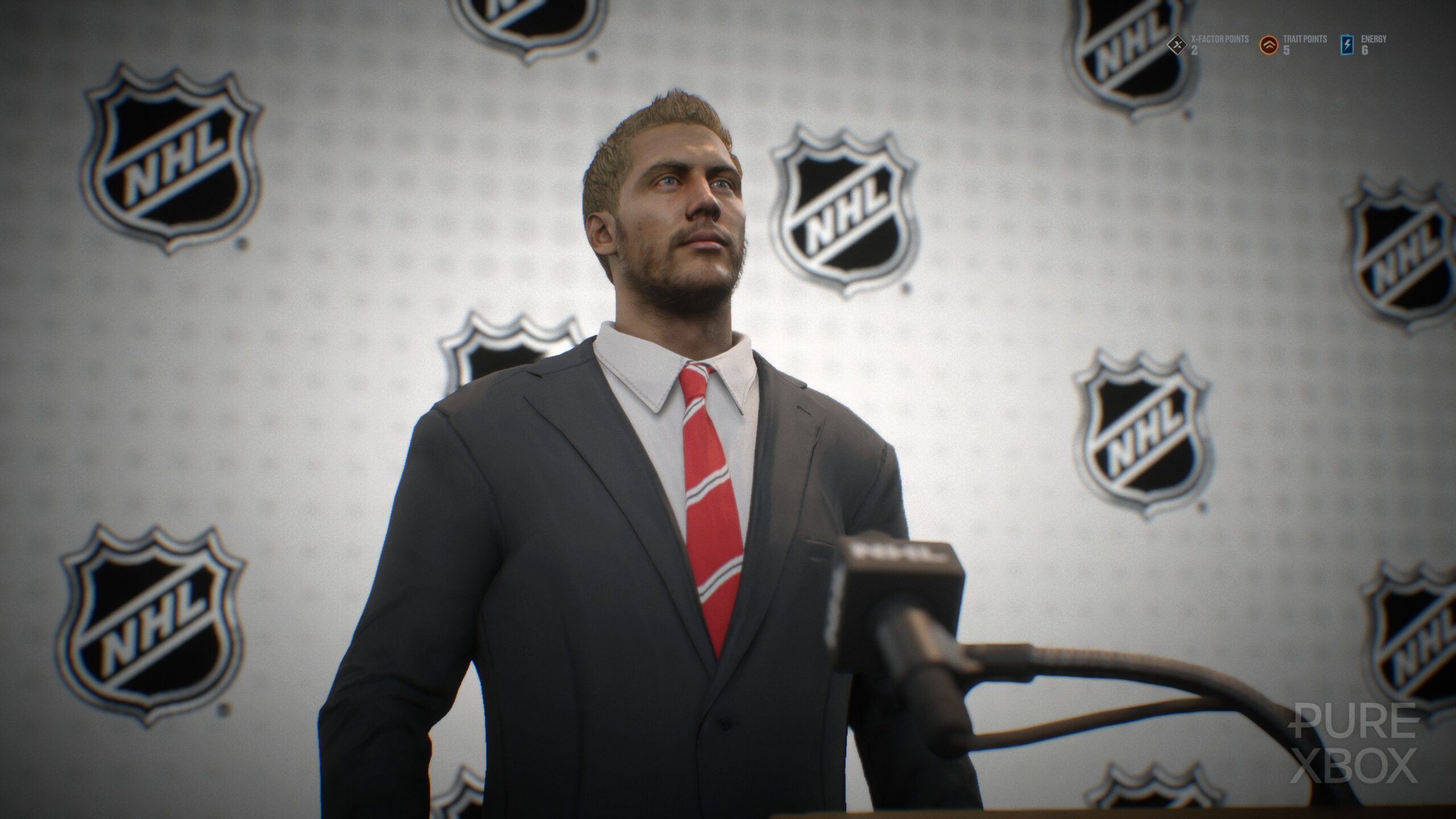
Honestly? I was kind of disappointed. It’s somewhat similar to what ended up being one of my all-time favourite games, but it’s not as good. It’s something though.
One really nice thing is that there’s a full PWHL mode, allowing fans to play seasons as the women’s teams. I’m all for their inclusion, and am glad it’s been increased.
At its core, NHL 26 is a solid hockey game, but it’s not a great one. Be a Pro seems sluggish, but the off the ice stuff is far better than before. Meanwhile, HUT is better than ever, and Ones continues to be great. Those who play online can also play Threes, EASHL or Arcade. Franchise also returns, but it’s not that different than before.
When you’re in control of a full team, or just one created skater in Ones, it’s faster and better. However, Be a Pro’s on-ice gameplay felt sluggish, had some frame rate hitches and didn’t feel quite right. Every NHL game felt similar, and I guess those before them did too, but the goalies weren’t so superhuman in the lower levels, and it felt more intense due to the catch up AI.
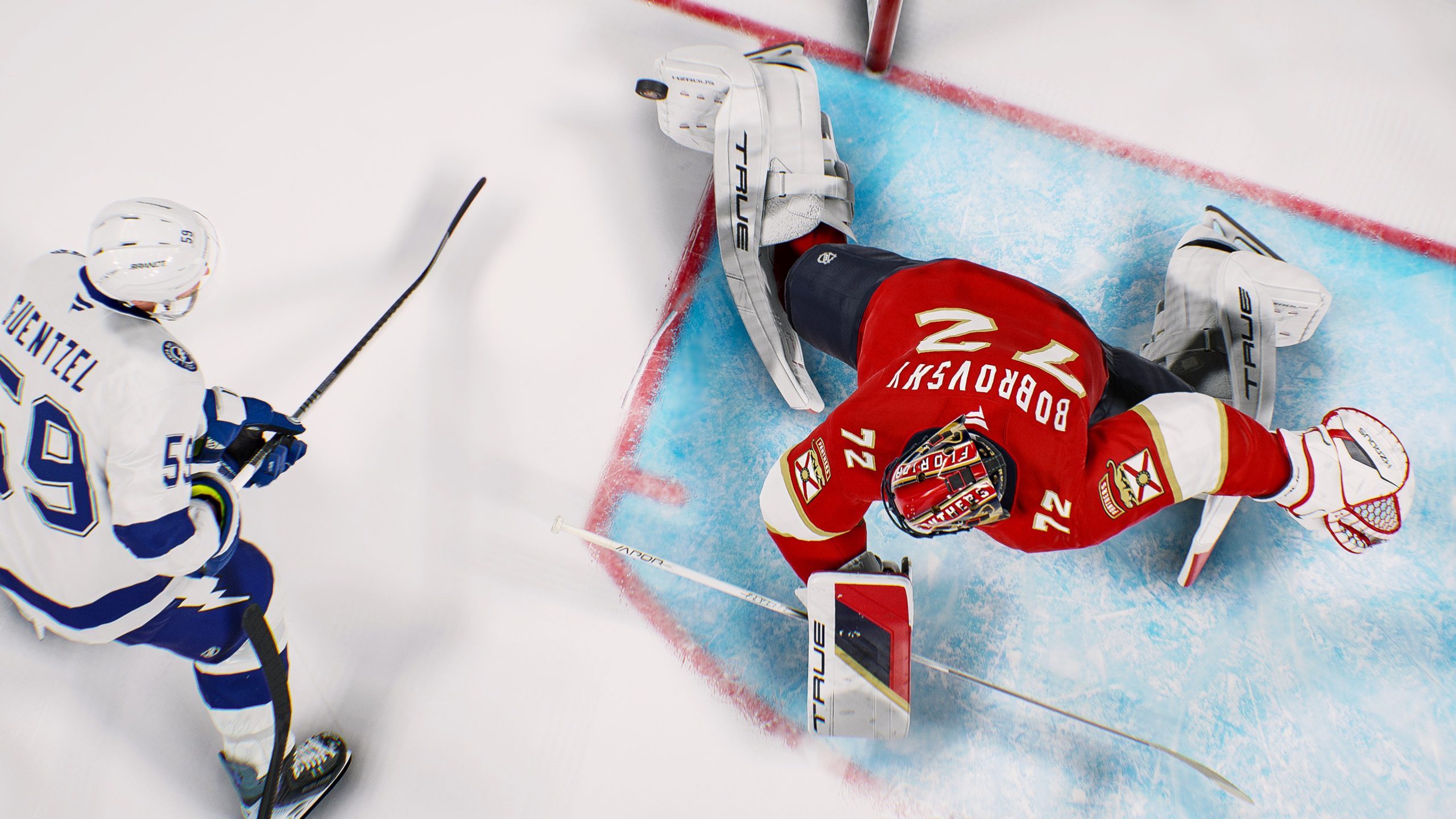
Speaking of goalies, it’s important to note that they’ve been improved, and it’s noticeable. They have more animations, they make some nice looking desperation saves where they roll over and fight for the puck, and they can be really hard to score on. Conversely, they will let in the odd floater like real-life tenders. Sometimes they’ll have trouble with pucks that bounce off them and into the air, too.
I noticed that skaters will also make more desperation plays, like attempting to pass while falling. It’s a nice touch.

NHL 26 is quite nice looking, but it won’t absolutely wow you. It’s a good visual representation of the sport, with some impressive player likenesses, but it’s not perfect. You’ll see the odd lighting or jersey glitch, and may find that it’s a tad grainy at times, but I haven’t encountered any notable bugs yet.
James Cybulkski and Cheryl Pounder return as the play-by-play and colour analysts, and do a good job. I like that they highlight players, and was impressed that they remembered my overtime heroics during the next game. They do make the odd gaffe, though, such as saying that it was a team’s final home game because they wouldn’t make the playoffs, when it turned out that I played them twice in a row in the Memorial Cup. I beat them in that round robin game, and then in OT in an elimination game the next time out. That happens though.
I liked how a number of the big Be a Pro decisions involved answering thoughtful questions during press conferences, as that voice acting was decent enough. These games didn’t really have such a thing before. However, the voice acting for the general managers and coaches leaves a lot to be desired. It sounds like someone reading a report. Then again, it’s not like I could do any better. I’m boring, and have a very monotone voice.
The game also has a rather impressive licensed soundtrack, but you don’t get to listen to too much of it and its volume should be higher. It gets extra credit for having an incredible song from my current favourite band; that being Spiritbox’s ‘Perfect Soul.’ I was also happy to see a Disturbed song on there, although it’s far from their best. The rest is made up of bands that I don’t listen to, but I liked some of the songs that played, and was impressed by the variety as well as the notable band names.
I had high hopes for NHL 26, as a longtime fan and supporter of the series. However, it’s merely a small step in the right direction and not fully there yet. There’s some good stuff here, but also some questionable and seemingly broken new systems that really hurt it. I truly miss how the series was before they revamped it on current-gen, as it used to be more fun.
This review is based on the Xbox Series version of the game, which we were provided.