


There are few things more fun than a well-made superhero video game. The movies may be a dime-a-dozen, and mostly formulaic and forgettable, but the subject matter works better in video game form anyhow. Over the years, we’ve been blessed with some great ones, including Marvel’s Spider-Man and its follow-ups from Insomniac Games. That’s why people were so excited to hop into the boots of the Canadian, Adamantium-infused, hero in Marvel’s Wolverine, which just released this week.
Marvel’s Wolverine begins approximately thirty years ago, at a point in which our protagonist (and one of comic books’ most recognizable characters) was almost feral. Living alone in the woods, he was discovered by a man named Nathaniel Essex, who brought him and his unique abilities into Team X — a group of superheroes who attempt to help other mutants. Essex houses these saved heroes, in a Charles Xavier style way, at a history meets modernity style mansion and laboratory in Canada’s northern Yukon province.
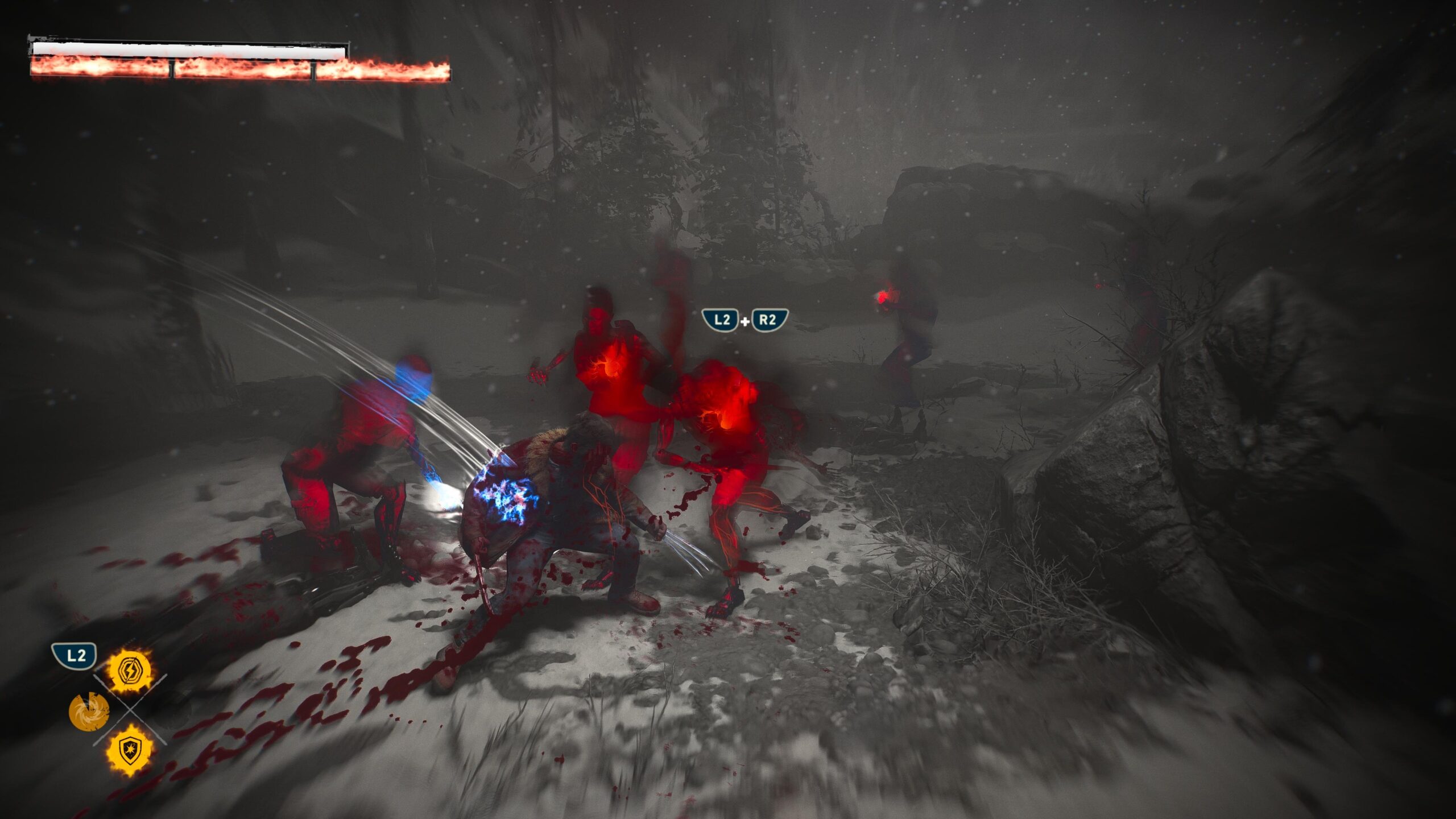
The gameplay truly begins during an opening mission in which Essex has been kidnapped by his nemesis, one Victor Trask. Held hostage in a compound designed to look like a small town, filled with training opportunities for Reavers, strange collars and mutant detection alarms, it proves that Trask is up to something sinister. Thus begins a story that starts by focusing on taking Trask and his operation down, because the scientist seems to have devised a way to track mutants, whom he doesn’t trust or care for.
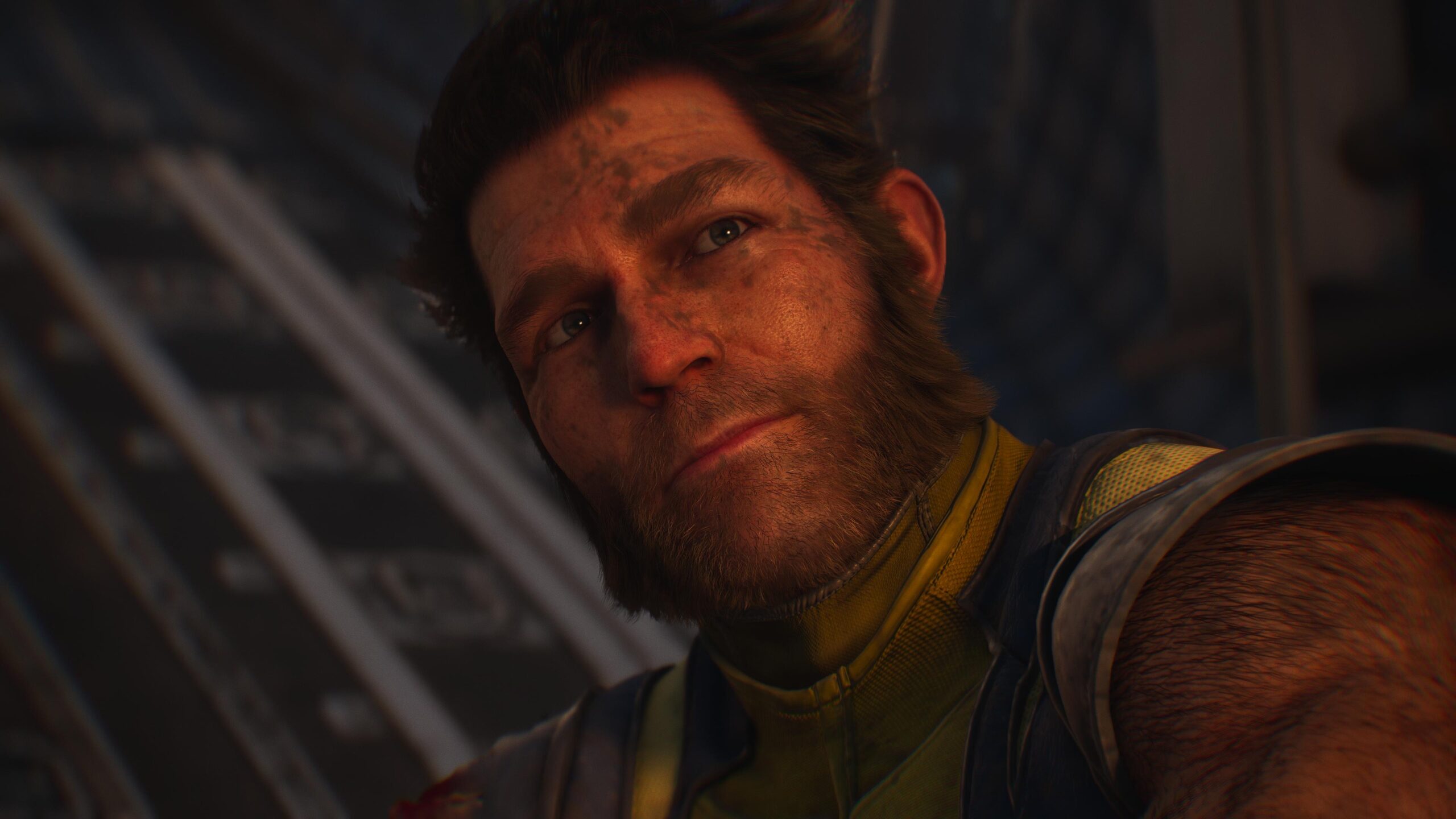
The story found within Marvel’s Wolverine sends players, and the clawed hero, to different parts of this world, including Canada, Japan and other parts of Asia. There, a variety of different missions/chapters must be played through, in what is a mostly linear fashion. Unlike the previous three games, this is not an open world experience, which makes sense. Along the way, though, Logan will encounter, team up with and/or assist other mutants, like Mystique, Jean Grey, and Sabretooth; two of whom are part of Team X.
Every so often, players will return to the compound in the Yukon to decompress, talk to important players like Walter, complete the odd side objective and learn more about the story. Wolverine also has an old, log style, cabin nearby. You’ll go out in the woods, travel to it and also stay there, away from the crowd inside the compound.

Although this story isn’t the best we’ve ever experienced, or enjoyed, it does a good job of giving us reason to care and fight, and progresses the adventure. It also presents a surprising history for Logan, a lot of which was news to me. It takes twists and turns, changes things up and feels like something out of a comic book. The writing is good, the voice acting is excellent, and the characters have depth. I especially liked the relationship between Logan and Jean. It felt very organic and realistic.
Marvel’s Wolverine is built on a system that mixes melee claw attacks and combos with ranged lunges, the latter of which are handled by the triangle button, alongside heavy attacks when in close quarters. There are basic combos, with slashes controlled by pressing square, more advanced ones, as well as what the game calls combo enders. It’s all heavily focused on melee, though, as it should be and was expected to be. Wolverine doesn’t have the traversal, agility or web-swinging capabilities of Spider-Man, so he’s more of a close-quarters brawler.
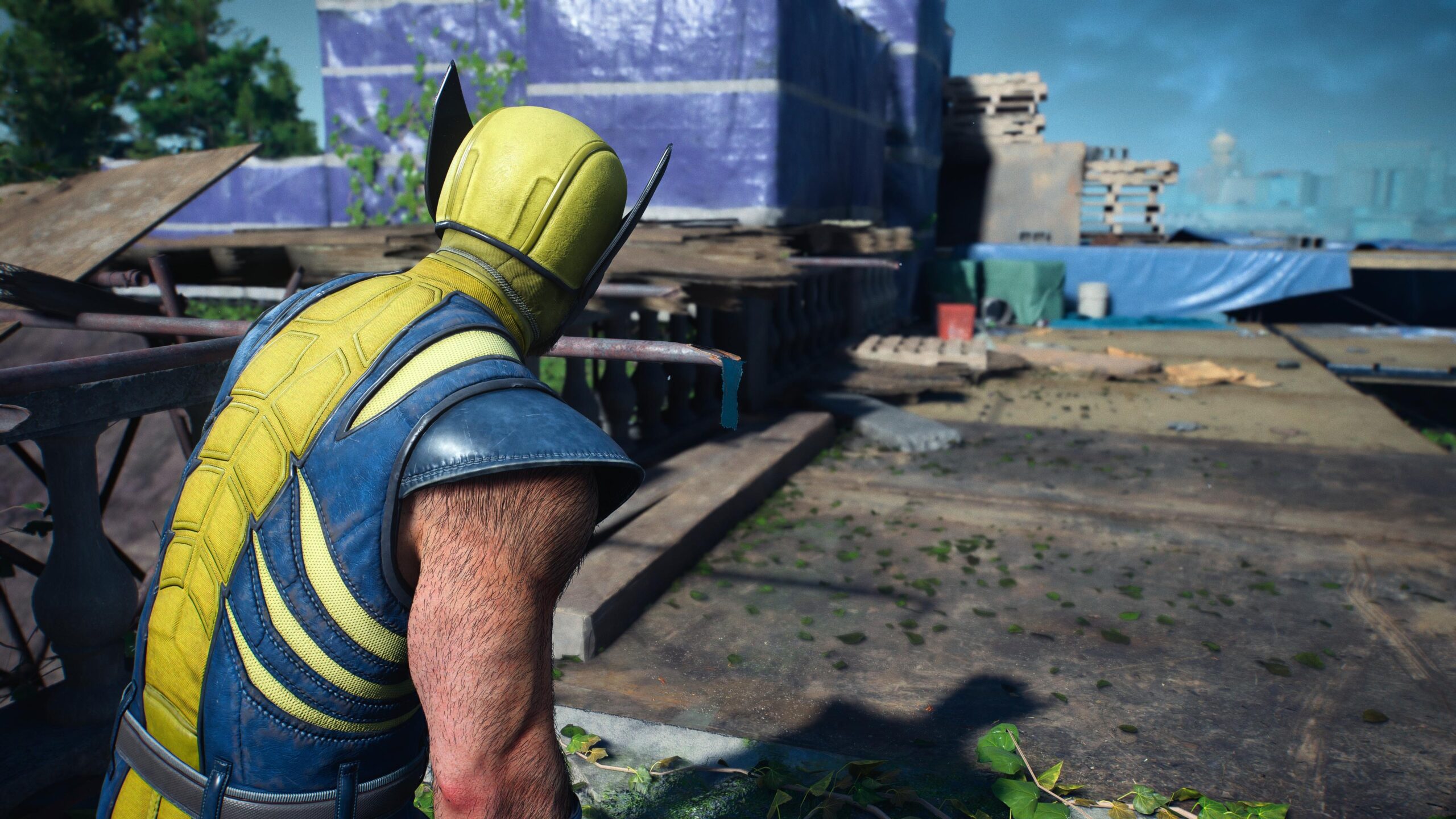
The general conceit involves either stealthily or loudly taking down groups of enemies, be they reavers, ninjas or something else. At times, the game gives players a choice and lets them either be quiet or loud, the former of which involves stalking through grass, following scents, and even jumping from tree branch to tree branch. However, a lot of the combat is of the loud and violent variety, with multiple enemies to be aware of and combos to dish out. Here, it’s important to press the shoulder button to parry incoming attacks, which doesn’t work if you just hold the button down. All the while, you’ll need to watch for red attacks, which mean ranged or heavy and not ‘blockable’. There are usually ranged foes, with guns, bows or sniper rifles.
Of course, it is possible to roll and dodge, which is very effective, especially when it comes to getting away from ranged attacks. As long as you roll in some direction, they’ll generally avoid you. Later on in the game, you’ll also unlock bonuses for this, which make dodging (and parrying) more beneficial. For instance, it’s possible to earn extra health or gain an improved retaliatory attack.
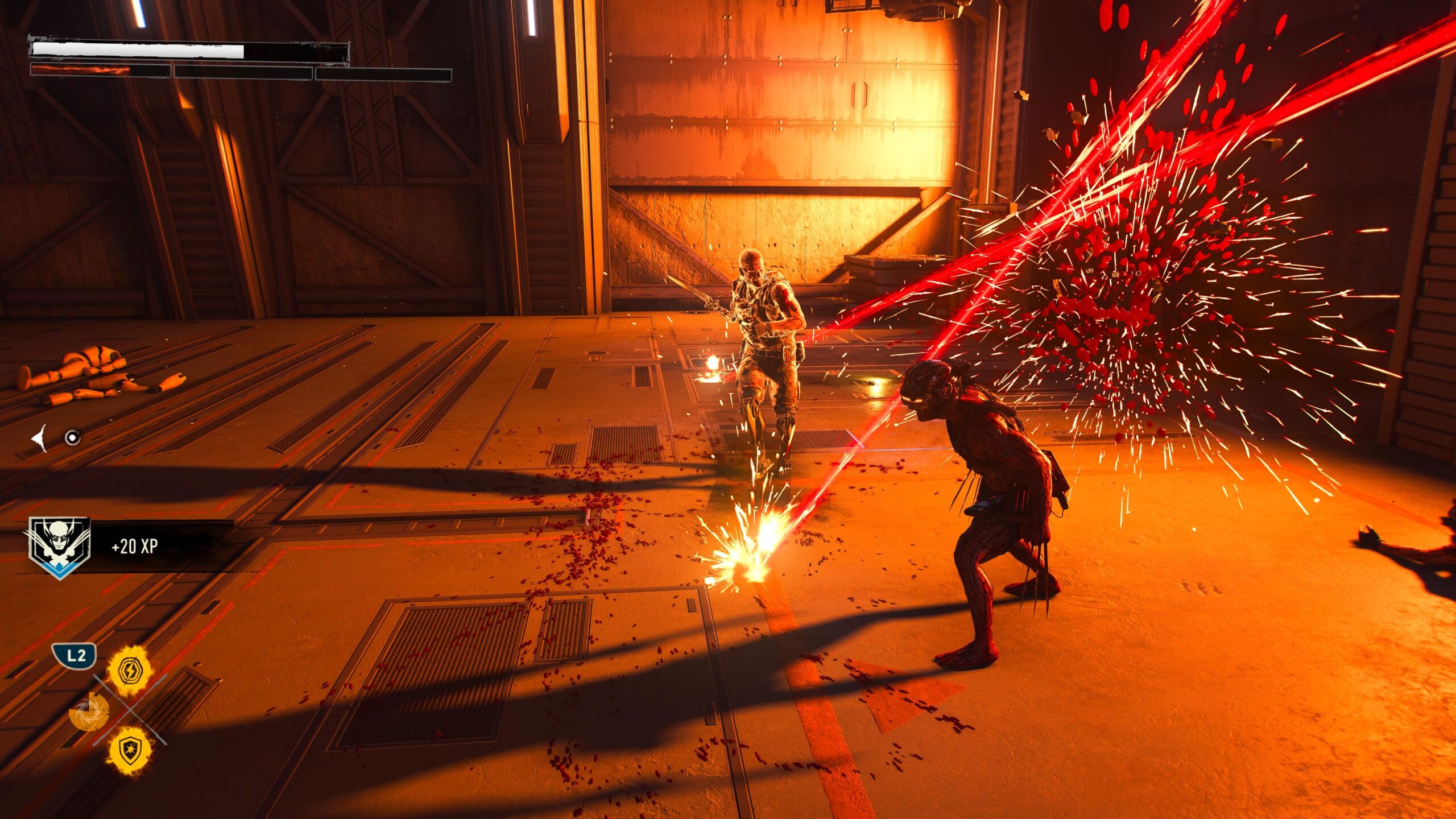
A lot of this is built around a rage system, wherein Wolverine earns rage as he continuously defeats foes. There’s a meter underneath the health bar, which shows this, and it’s separated into tiers. Each one brings something different, and improves the hero’s attacks, to the point where the third rage tier allows you to press the two trigger buttons to pounce on and one-hit-kill basic enemies. As this meter progresses, the game’s look also changes, and it does this by turning enemies red and things like that.
At first, I didn’t understand why I was able to sometimes mash square to regain health and come back to life after being downed. Since it didn’t always allow me to, I wasn’t sure what the criteria was. However, I eventually noticed that it only worked if I had some rage built up, which coming back to life depleted.
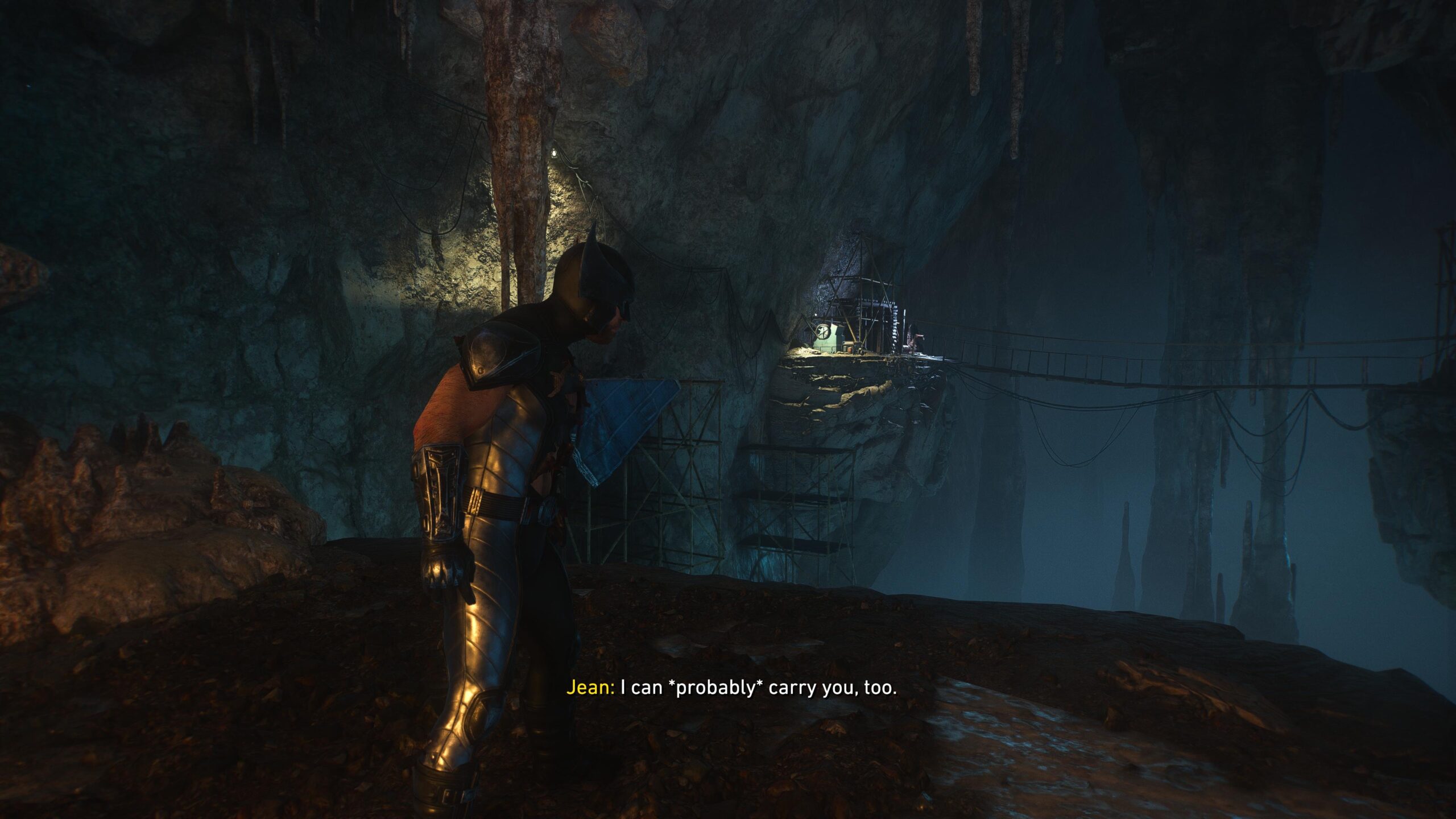
As one plays through this game, explores environments and defeats enemies, they’ll earn experience points. These allow Logan to level up and unlock new abilities, including special ones that have a cooldown timer. There’s one that lets him heal, another that allows him to jump into the air and do a horizontal corkscrew attack and a third that turns him into a very sharp and dangerous tornado. These can be upgraded for added strength, healing and damage.
There are numerous environmental items to look at for small bits of XP, as well as glowing blue energy machines, totems and more that give added points. On top of these, the game also features collectibles, like whiskey bottles and material crates, both of which its scent tracker tends to lead players right to. The former are themed after the hero’s life, origins, etc. and the latter allow you to purchase and use new costumes, of which there are quite a few. Some costumes unlock automatically, some must be unlocked by doing certain things, and others become available through progression. My favourites (as always) were the animated ones, including one from the recently released Marvel fighting game.
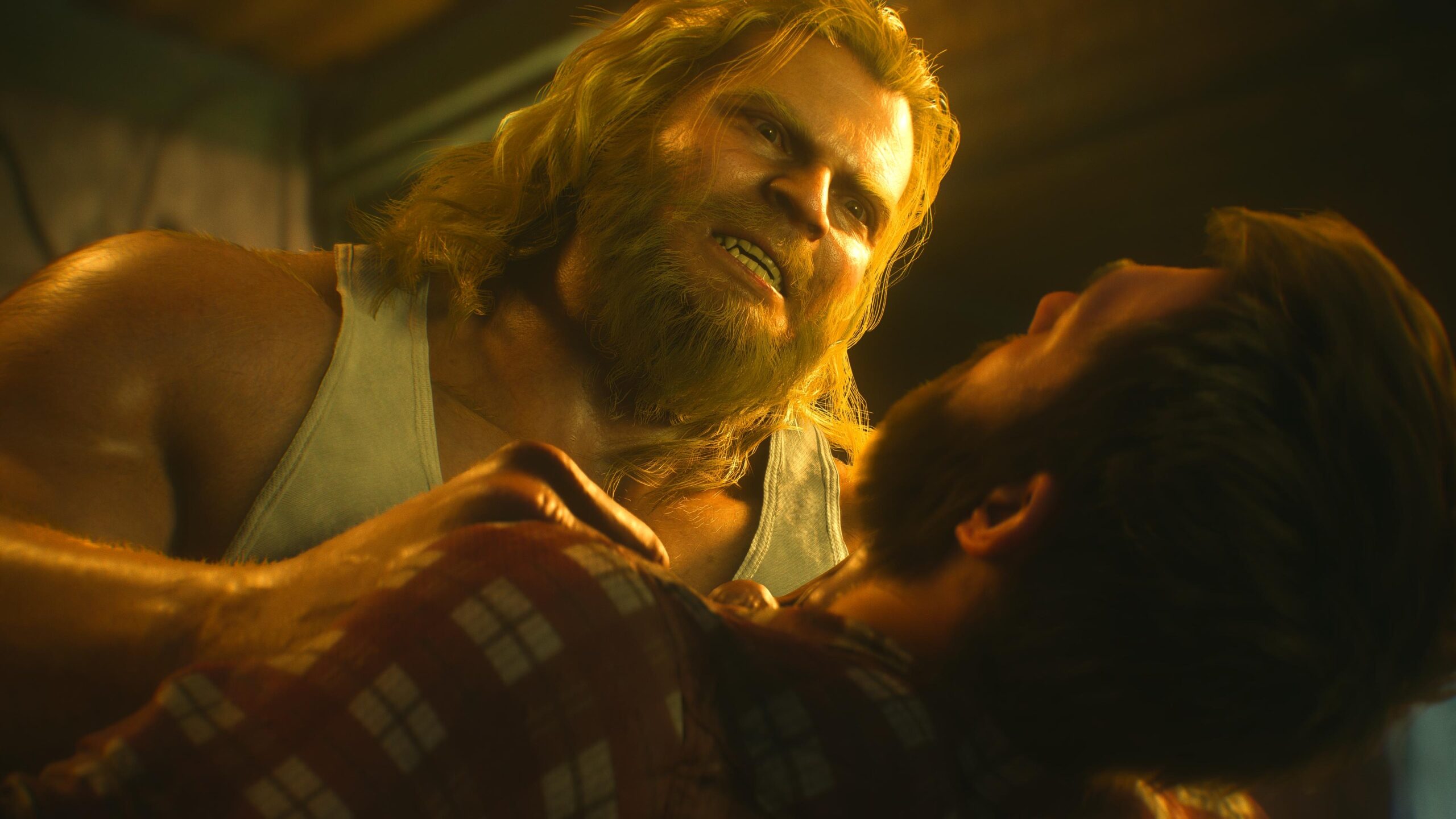
The costumes aren’t as varied, or as impressive, as those found in Spider-Man, but I’m glad they’re part of the game. Some are just slight variations, it seems, but others are different colours or drastically different from the norm. What’s nice, though, is that they almost all tend to get ripped and destroyed during combat, with damage taken over the course of a mission visible on the chosen suit.
Being that this is a Wolverine game, it also figures that there are numerous unlockable claw sets, including thick ones, curved ones and more. There’s a shocking amount. Not that you really see them up close much, unless they appear in a cutscene or something like that.
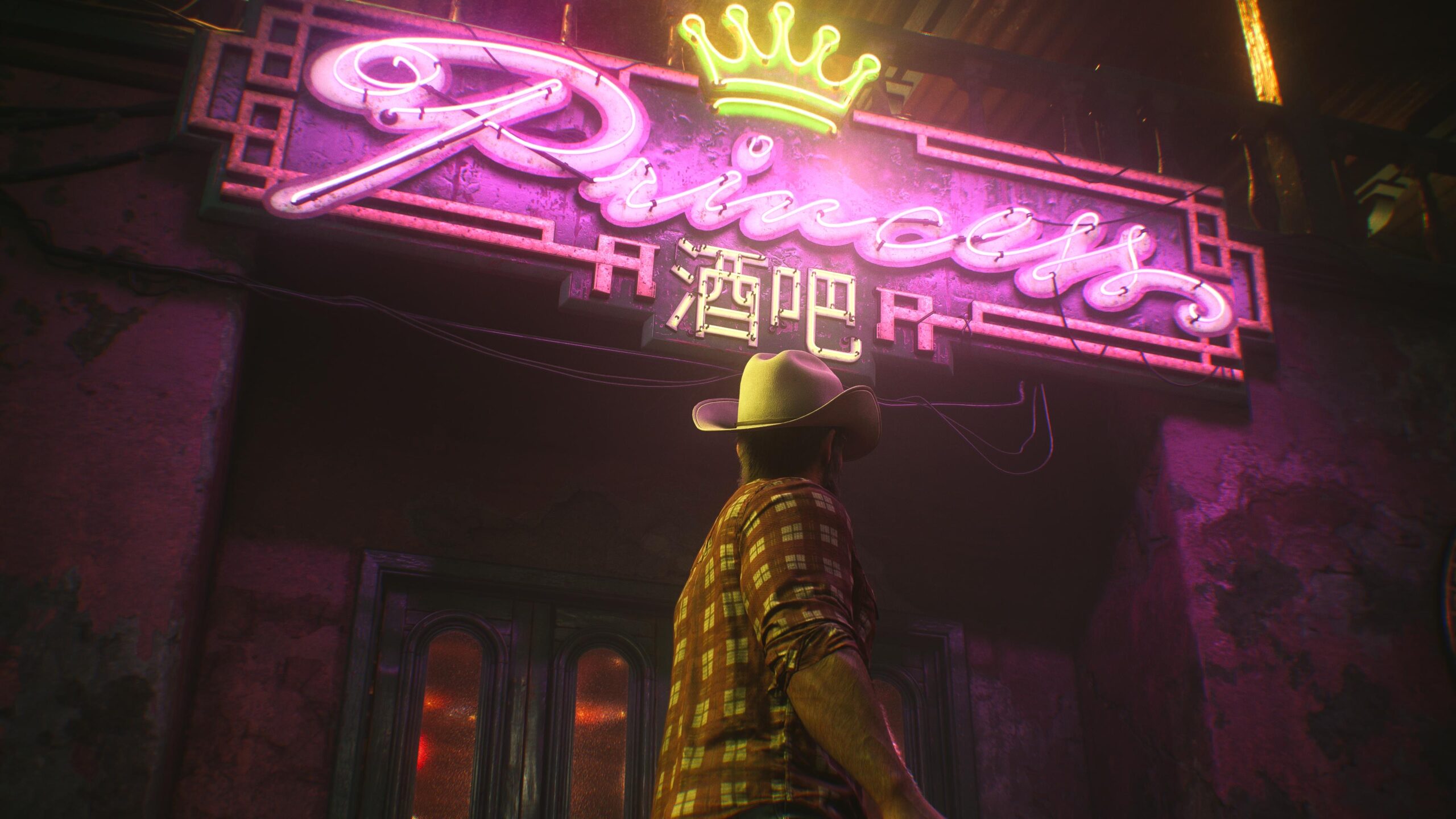
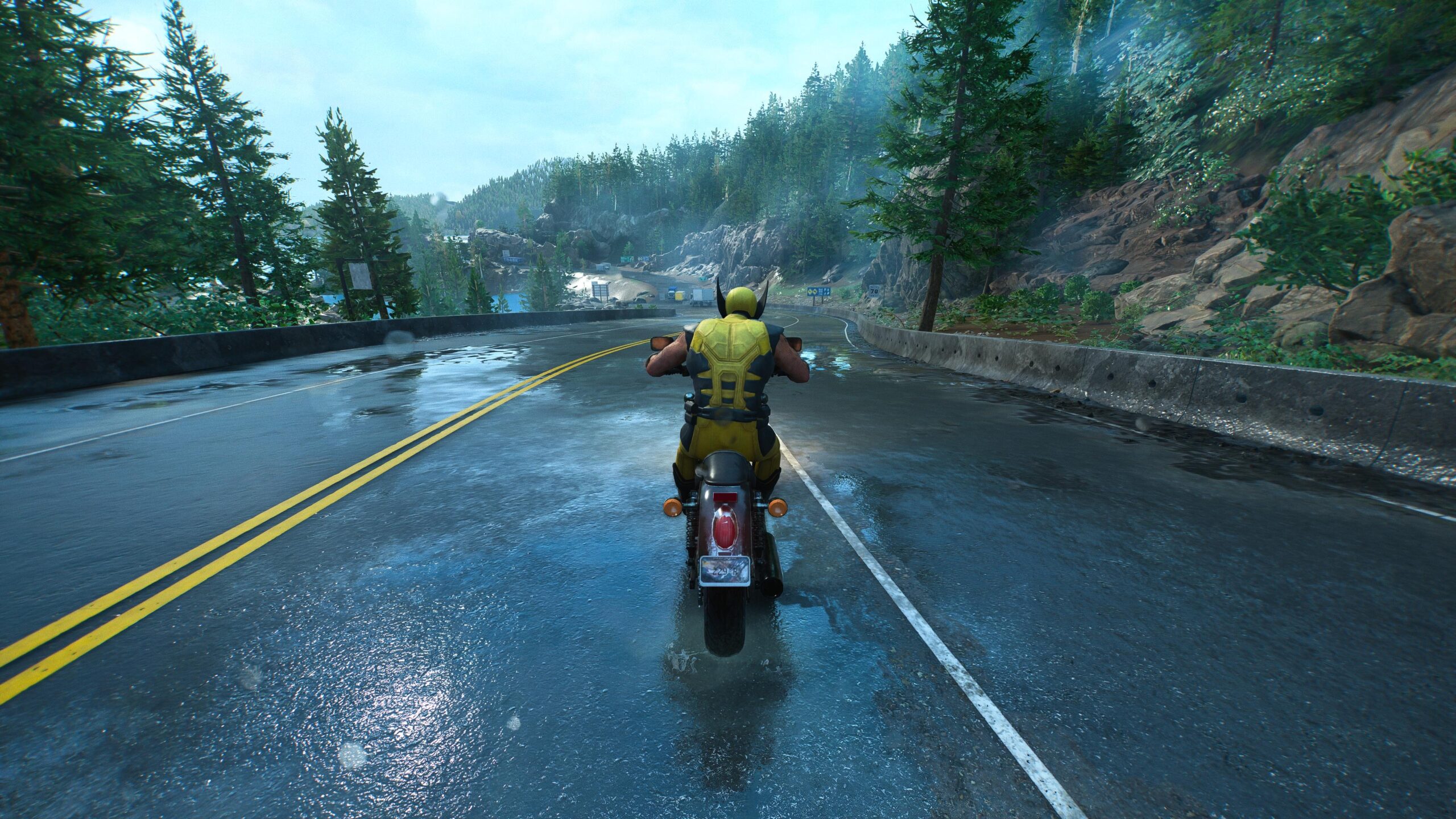
There are certain missions where Wolverine is on a motorcycle. These often involve avoiding traffic, finding shortcuts, fighting enemies while driving and that type of thing. These are fast-paced, kind of chaotic and visually stimulating segments, and I enjoyed them. Are they perfect, or flawless? No. The controls aren’t perfect, it can be easy to miss shortcuts and it seems to want more precision than is available. However, it also seems very hard to actually fail these.
The first boss battle was surprisingly challenging, but the second one wasn’t so bad. Both were enjoyable, but didn’t stand out for having original mechanics. Overall, the boss battles in this game are good, but they don’t exactly think outside of the box too much, which is mostly fine in my book, but may bother some. That’s generally true of the game as a whole, to be completely honest.
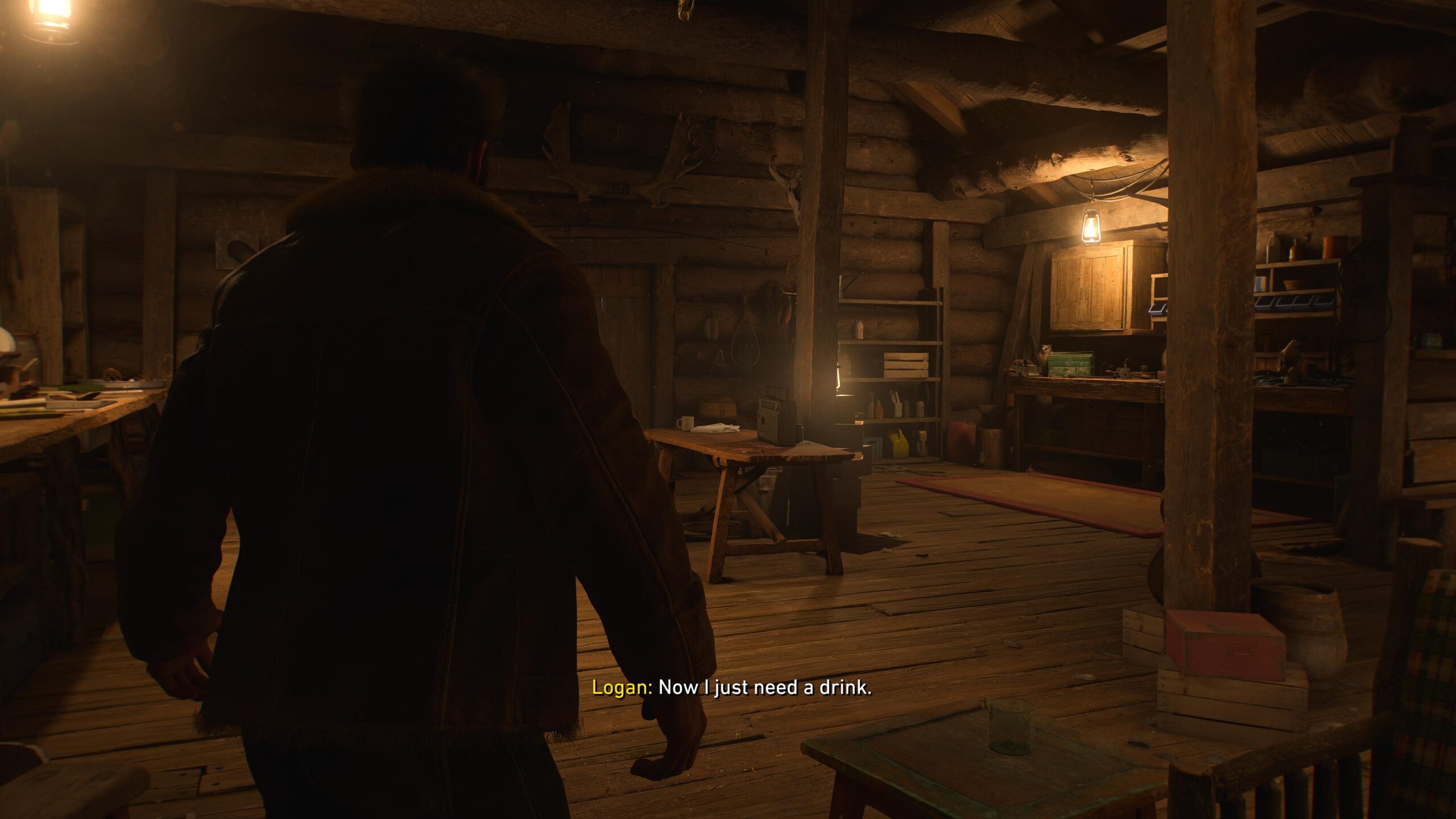
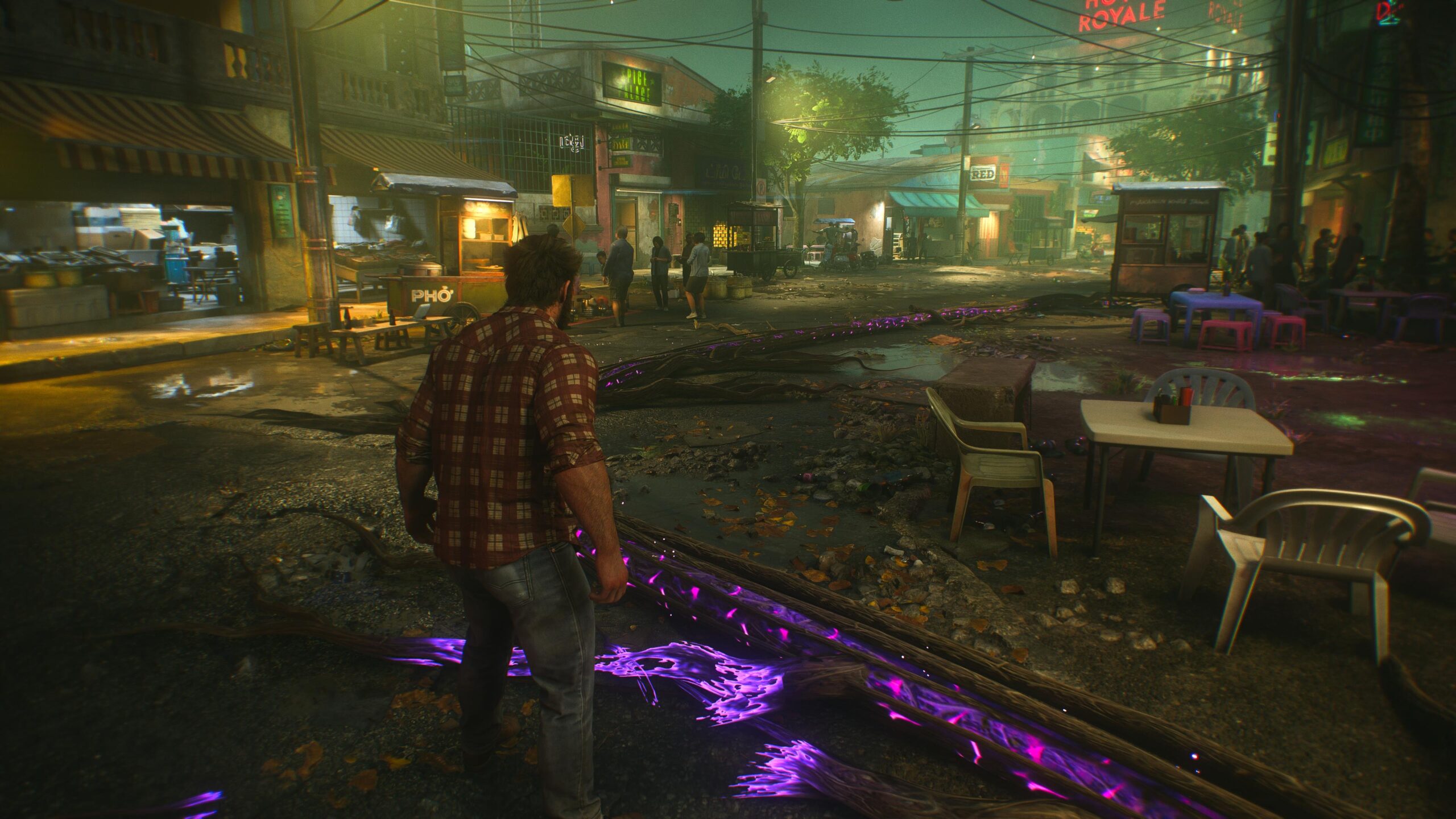
One other form of ‘collectible’ which counts towards each stage’s percentile based progression score comes in the form of dream rooms. These discoverable portals, which look like doorways with purple tentacles attached to them, appear in out of the way parts of most stages. When you find them, and go through them, you’ll be transported to the cabin. There, you’ll find purple vines that can be interacted with in order to attempt one of several different types of scored challenges. When you’ve finished each one, you’ll get a text and dialogue based recap of one part of Logan’s history dating back to the 1800s.
These trials, which come in different varieties, are unsurprisingly scored in a bronze, silver, gold and Adamantium format. Sometimes it’s based on time, but sometimes it’s score driven. For example, the trials that task you with defeating a set amount of enemies, killing foes with certain attacks or getting through a course as quickly as possible score you on your completion time. However, the wave based enemy encounters one is based on your cumulative score. In these, waves upon waves of increasingly difficult foes come at you, and — after a certain amount — one can break a totem for a bonus, like increased damage from basic attacks, an ally’s assistance or something like that. At times, these also come with drawbacks, like special moves entering cooldown every time you’re hit. Of course, the goal is to go until you die.
The first wave based challenge arena I did required something like 40,000 points for the highest score. I achieved that after around 24 waves. I got to 50,000 and completed all waves in the second one.
Completing challenges earns you DNA strands, which can be used to unlock different perks. This is a second type of upgrade system.
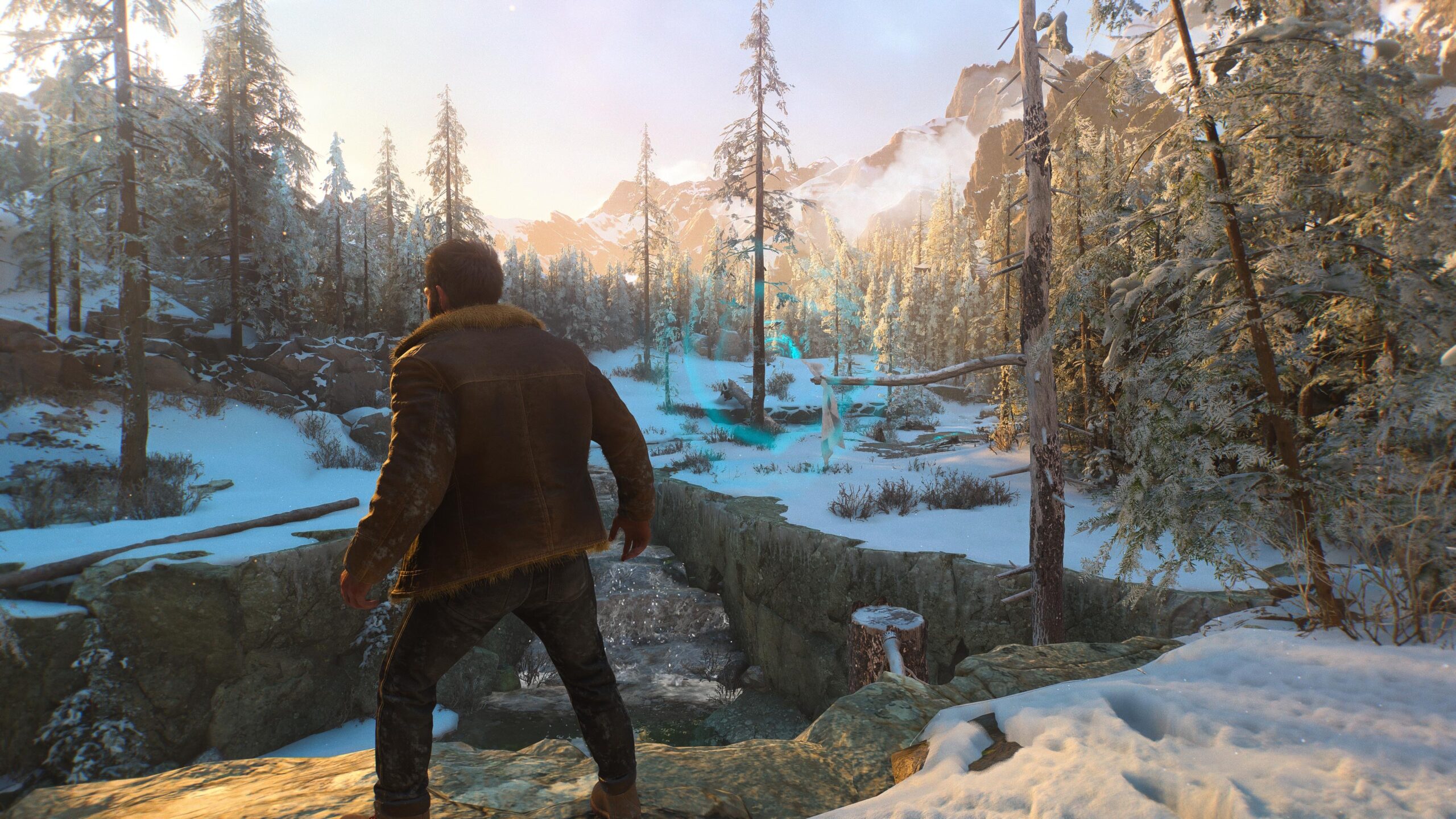
It definitely takes some time to get used to Marvel’s Wolverine, due to the parry timing, the close quarters combat and the regenerating health that works unless there are power dampening effects nearby. That, as well as learning what Logan can climb up, and what he can only briefly climb, using his claws. This game does feature white paint to show you where to climb or go, as well as hand-holds that you can climb and jump to and from, like in Uncharted. Wolverine can also climb stripped trees, and things like that, and can do lengthy jumps from certain, white painted, platforms.
Being that Wolverine has increased senses, like the ability to smell better than any human, it’s no surprise that this game uses that to his advantage. However, it’s too much. This is because the game often gives you a blue trail to your next objective, and basically tells you where to go, including pointing the way to some collectibles. When you’re somewhat close to a material chest, you’ll also see and hear a blue pulse radiating from it. This is a very heavy form of handholding that most gamers do not want or need.
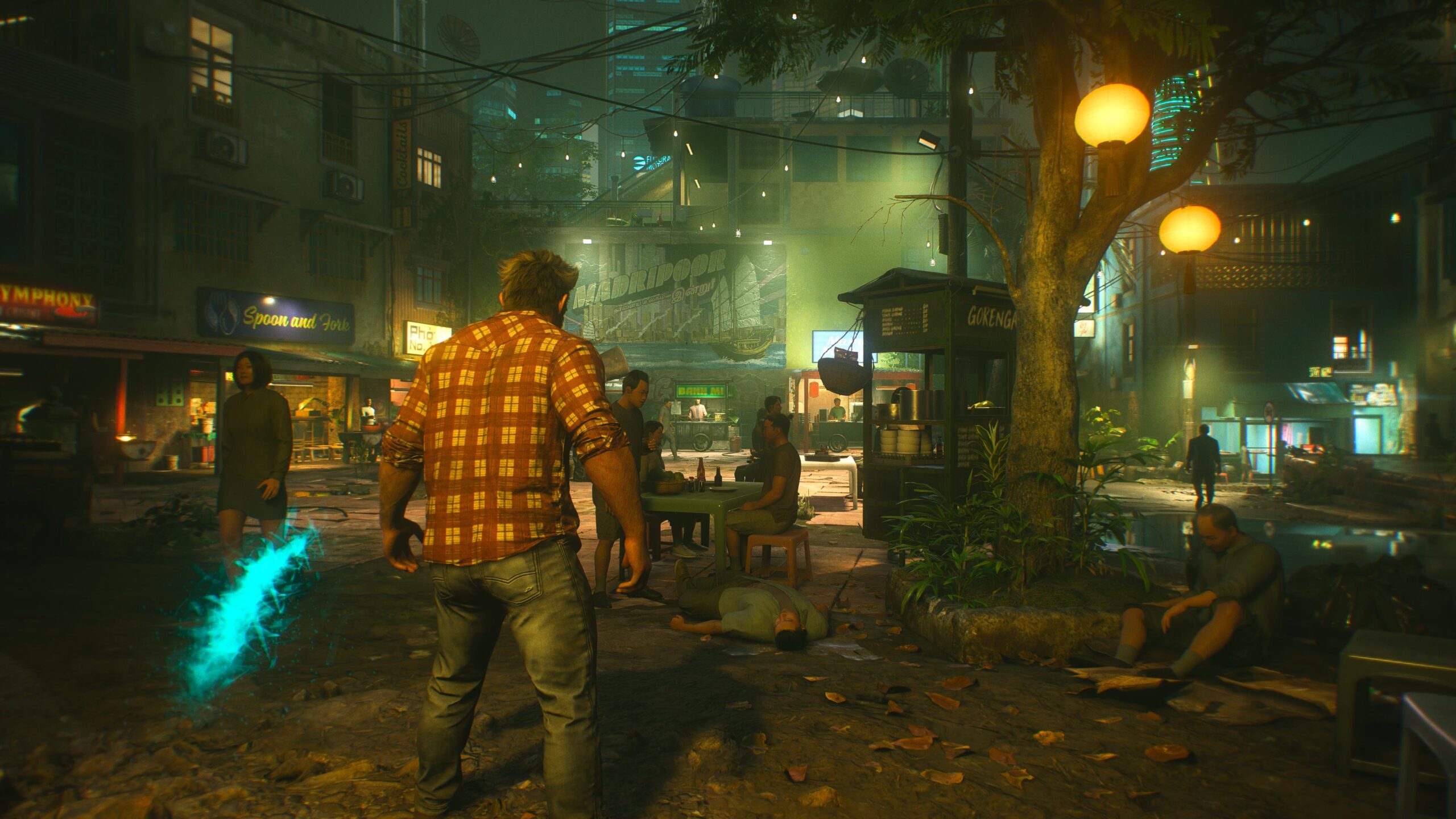
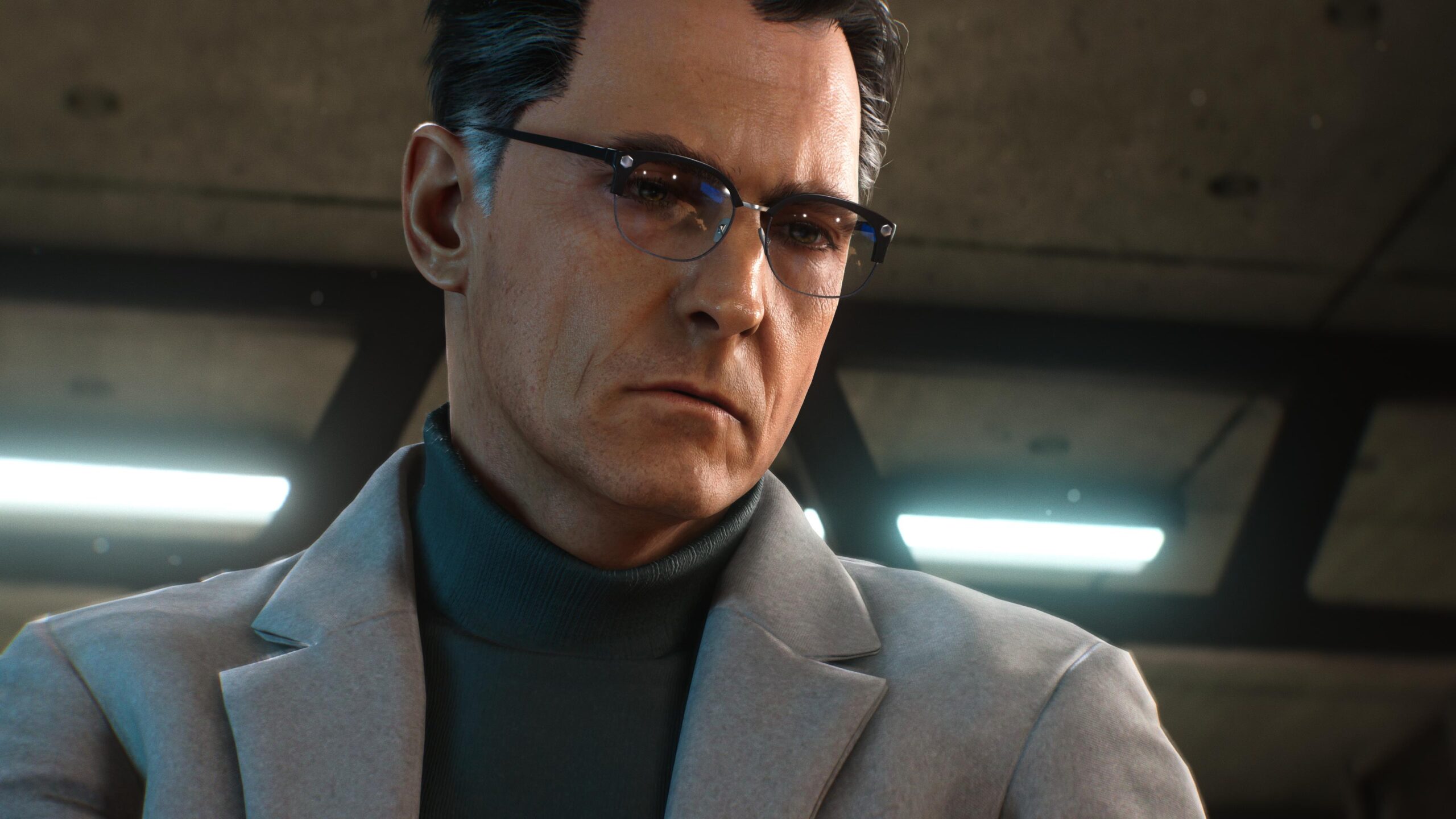
As you can surely tell from my screenshots, of which I took many, Marvel’s Wolverine is a beautiful game, but it’s also a very violent one unless you adjust the settings. It’s often downright stunning, with great looking environments and even better character models. I can’t say enough good things about how the game looks, and how it runs and plays; at least on PlayStation 5 Pro and in performance mode. I turned all of the visual improvement options on too.
This is a truly stunning game, which is chock full of Easter eggs and impressive details, both of which Marvel fans will enjoy.
The audio-scape found within this approximately 15 hour-long experience is also exceptional. The sound effects are excellent, the music is good and the voice acting is exemplary. This is especially true of the actress who voices Jean Grey. She did a great job!
At the end of the day, Marvel’s Wolverine is a quality game that is being smeared unfairly. Is it as good as Insomniac’s Spider-Man games? No. However, it’s still quite good. It’s just a bit of a step down, and has some downsides. I enjoyed it a good amount.
This review is based on the PlayStation 5 exclusive, which we were provided with.