


Alone at a lighthouse outside of a small town, Will finds himself lonely and grieving his late wife. He dreams about choppy seas, then is awakened by a radio call about a terrible storm that is coming his way. Thus begins WILL: Follow the Light — a narrative driven game with a number of puzzles — from Spokane, Washington’s TomorrowHead Studio.
After checking various weather tools located nearby, then inputting their data into an old fashioned computer system, Will must get the lighthouse ready for the impending storm. However, as is usually the case, something goes wrong and the power goes out partway through the night, leaving a boat on a collision course with the rocky shore. Will is awakened, and attempts to right the wrong, before being alerted to a truck pulling into the driveway. It’s then that he learns that he must return to town, and discovers that a natural disaster has wiped out his neighborhood, displacing people, killing others and leaving some missing, including his son.
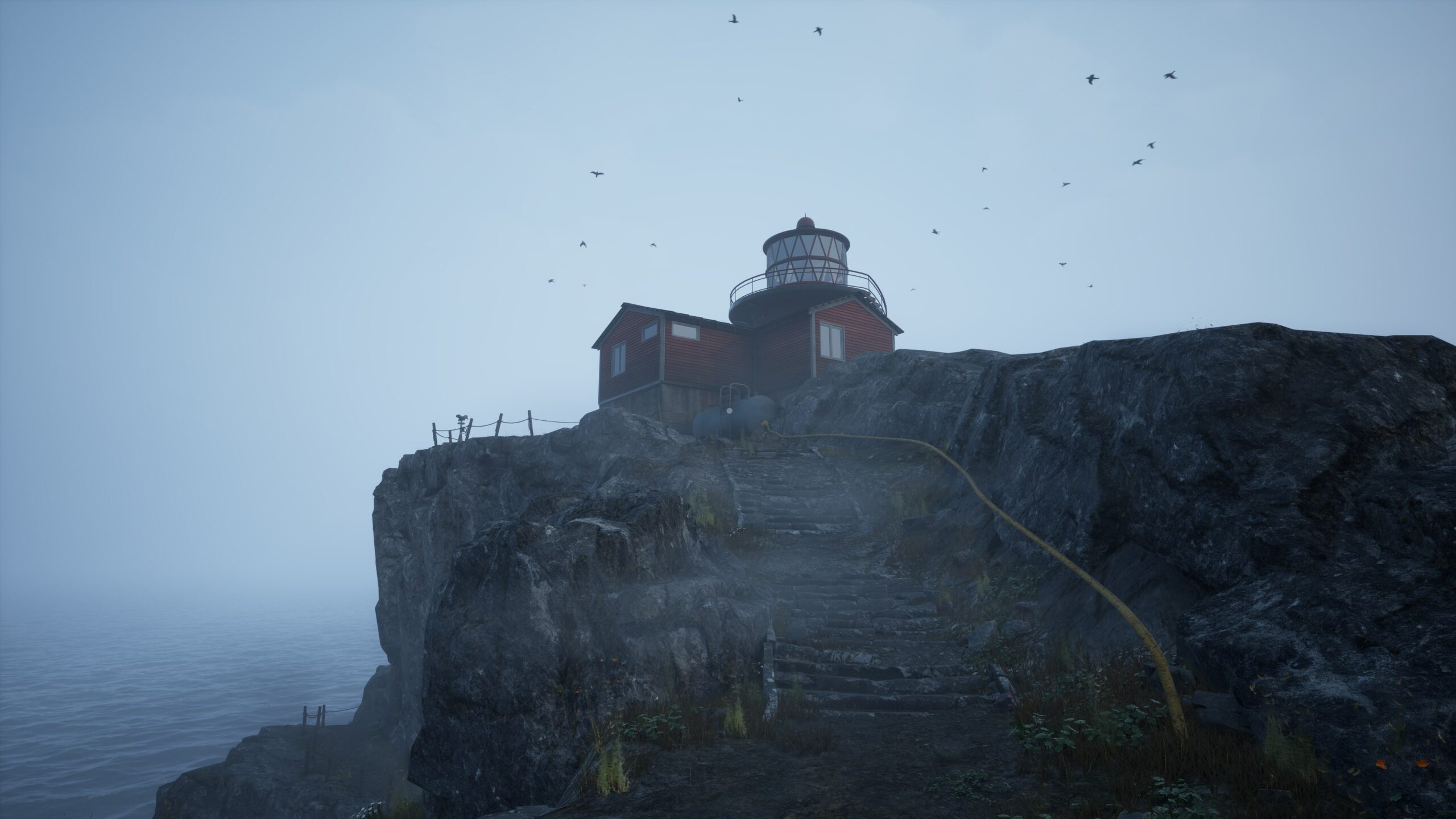
To be honest, this one caught me off guard, as I hadn’t heard much of anything about it before seeing it on a release list. I quickly looked it up, and requested a review code, which I received weeks later. Now, after playing through it over the course of one long, overnight, session, I can share my thoughts with you.
Part walking simulator, part puzzle game, part narrative experience and part sailing adventure, WILL: Follow the Light has numerous aspects to it. The core of the game, though, involves exploring different environments to find clues as to where your son has gone, although it’s learned early on that he was with Will’s estranged father. This sets our protagonist out on a lengthy, first-person, adventure through difficult terrain and sometimes dangerous seas.
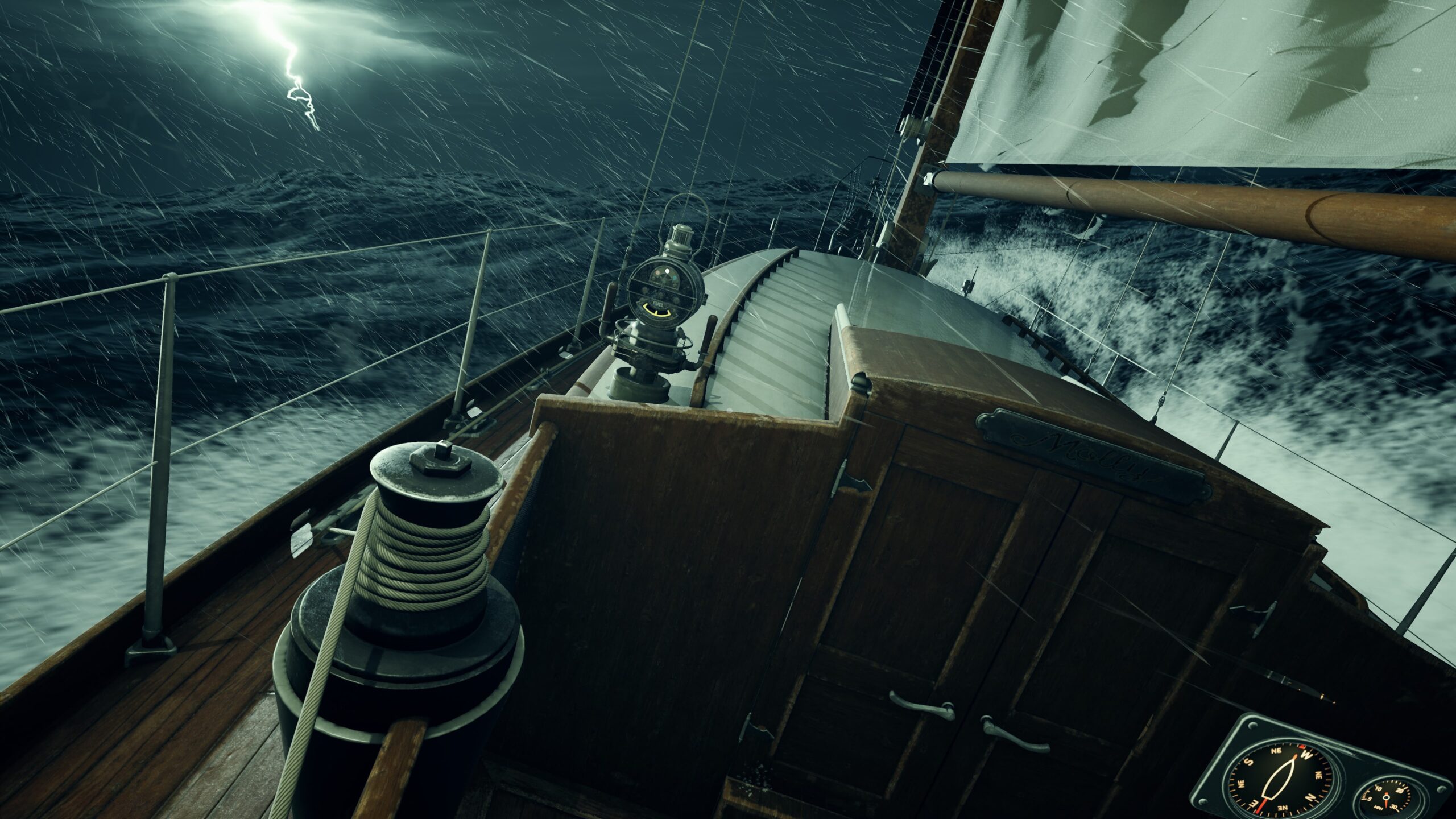
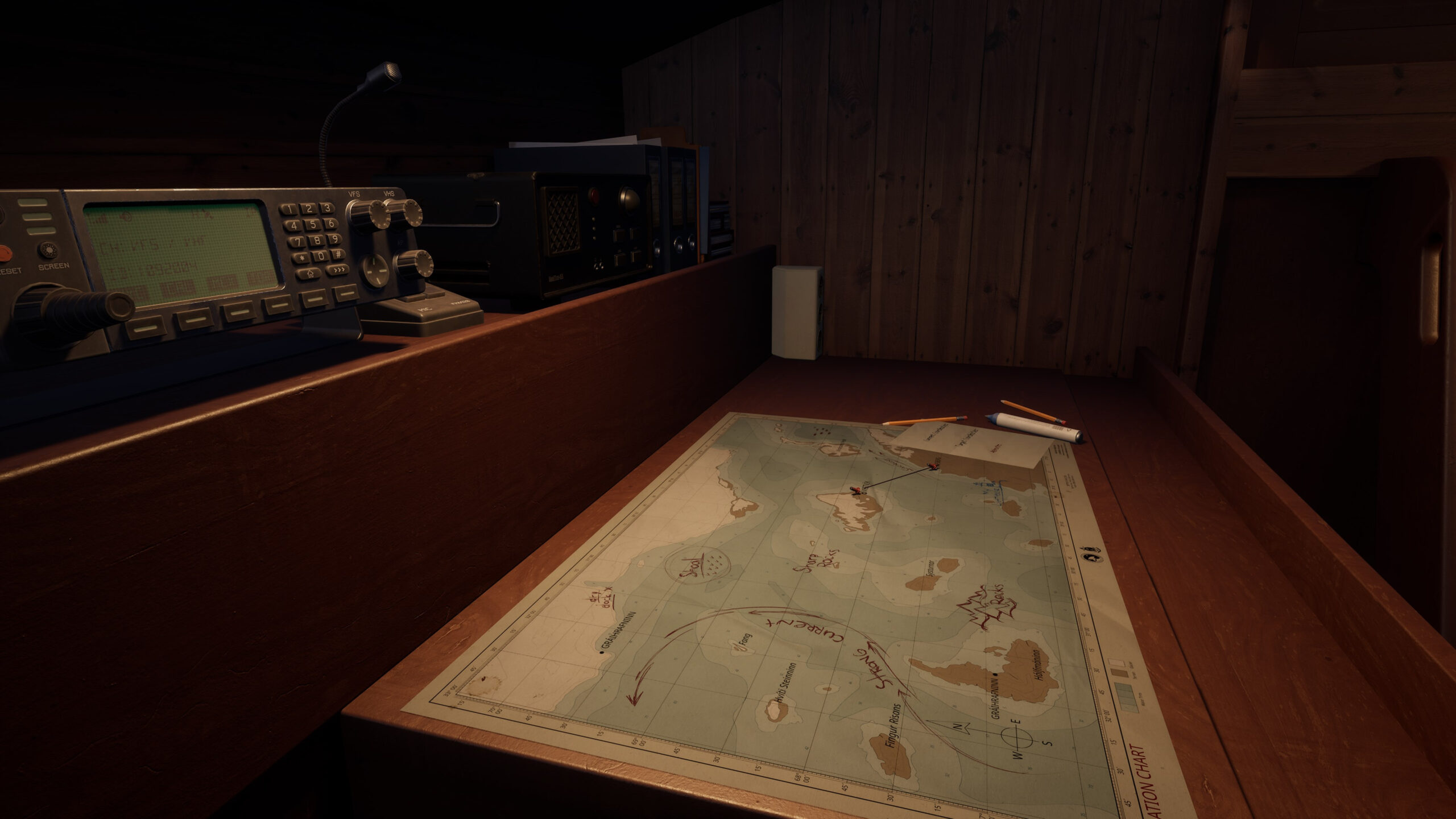
Not long into what is about a six hour long campaign, the main character helps fix up a sailboat that’s been in his family for years. This involves one of the game’s sometimes tedious and annoying puzzles, but we’ll get to those later. What’s important to talk about now is the fact that this seafaring vessel — named Molly — is an important part of the experience. You see, there are several parts of this story where the player must sail (or drive, using the slower motor) the boat from one place to another, sometimes unsure of where to go and — in another situation — while dealing with severe fog and rock-filled waters. The goal is to plot your course using longitude and latitude, then correctly manipulate the three sails in order to take advantage of the wind — something I never really got good at.
Although it’s not made clear exactly where it takes place, this game is set somewhere in the north, where islands are spaced out and both frozen tundra and polar bears are not uncommon. You’ll sail through calm, rocky and stormy seas, and will also dock at various locations, including different parts of islands located in the arctic. There aren’t any objective points, but it’s not too difficult to find where to go — for the most part — and the game will reset you if you go too far off course. Thanks to this, the sailing is solid, but it becomes a bit much after a while. That’s why I’m glad they gave us the opportunity to skip some of the longer treks.
In true walking similar fashion, there are a number of puzzles to be found in WILL: Follow the Light. The player must read directions regarding how to start a generator, find fuses and turn them on in the correct order, use winches and lifts to move heavy items, and push boxes, carts or the like, in order to get them out of the way or use them to climb upon. Then, there are others that involve putting things together using a number of different parts. These ones are very tedious, frustrating and cumbersome, with controls that leave a lot to be desired. Sometimes it seemed like I had to point a small part (like a washer or rivet) right at the exact little pixel before it would allow me to place it.
The aforementioned puzzles sometimes took me out of the game, and affected my enjoyment of it. I didn’t mind some of them, but others were overly involved, cumbersome or obtuse. Some just took too long, with too much trial and error. I’ve gone on record to say that I’m not much of a puzzle game guy, but I do enjoy walking sims and light puzzles. A number of these were far from the best I’ve experienced, but the odd one was smart and enjoyable to solve.
As players make their way through this journey, they’ll visit different lighthouses, explore various types of buildings, and even travel in unconventional ways. On top of that, they will meet some deadly creatures, and have to deal with the elements. The main character goes through quite a bit, including severe inner turmoil that hits upon themes of abandonment, grief, isolation and sadness. The game wants to send a message, and it does so pretty well, even if the narrative still leaves questions.
Those who take their time with this one will find numerous hand-crafted wooden boats, children’s drawings, cassette tapes, tea containers, notes and little replicas of the planets in our solar system. Some of these act as tracked collectibles, which fill shelves in the Molly yacht’s cabin, and can be used to fill a model of the solar system. I thought that I’d found everything, but I missed one planet and one boat, much to my chagrin.
Part-way through WILL: Follow the Light, players will find and put together a special type of lantern. At this point, a new type of discoverable ‘item’ becomes noticeable; that being coloured drawings that are floating in the air or on a wall, or something. Using the correct coloured light (be it blue or red), and standing in the proper spot, will lead to the drawing disappearing and a ghostly recreation of a past event playing out. This can be used to learn more about the story, discover clues and the like.
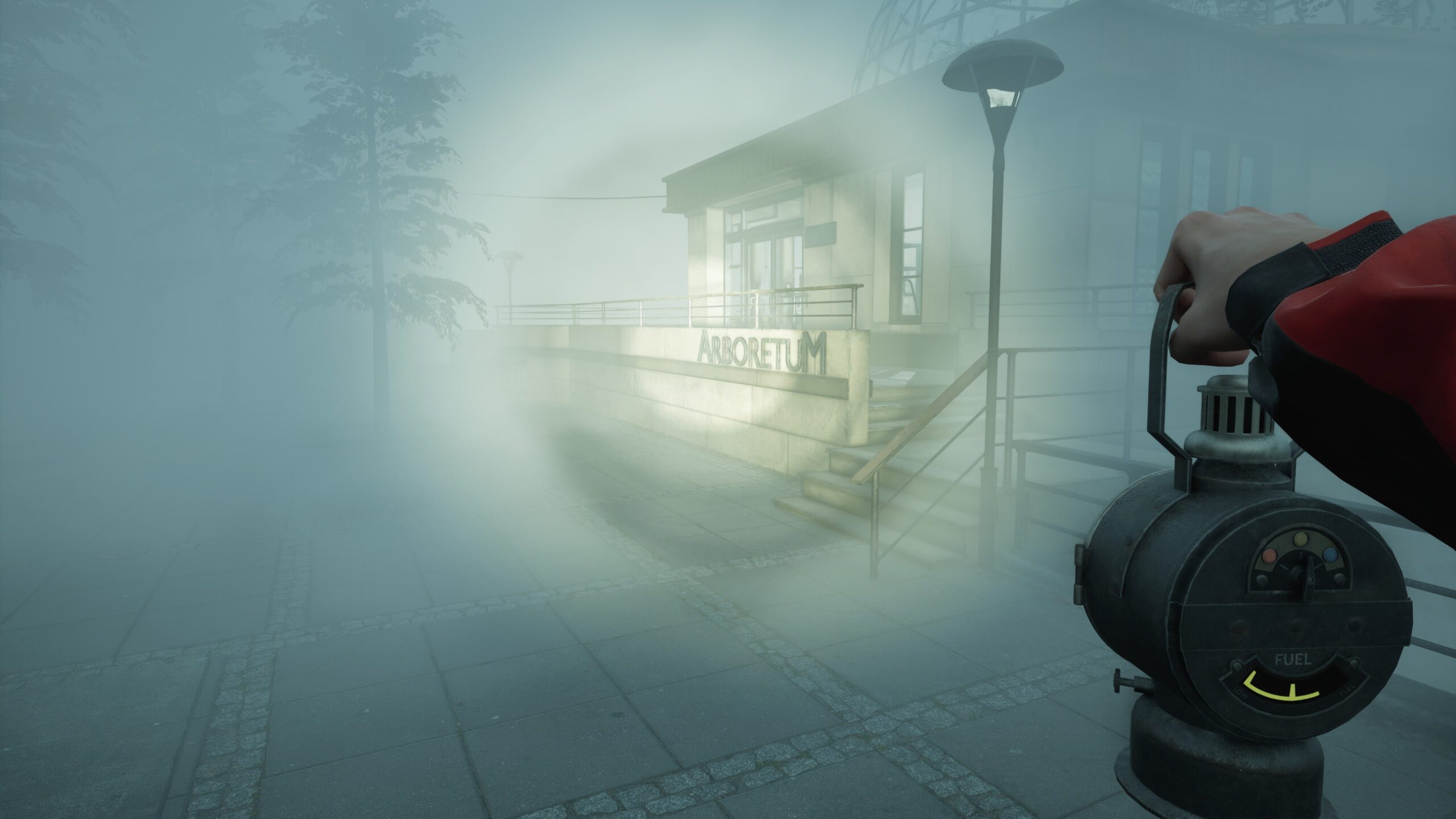
The lantern can also occasionally be used to light your way, but that isn’t its only other use. You see, there’s a puzzle that allows you to add something to it, so that it can melt frozen things, like gearboxes or doors. This allows you to access new areas, as well as at least one puzzle.
With all of that put together, there’s quite a bit to this game. It doesn’t do anything particularly great, but it does things well enough to be enjoyable, outside of certain parts and puzzles that really drag and can be boring. I enjoyed my time with it, but was admittedly ready for the end to come.
Even after playing through WILL: Follow the Light, I’m still not sure where, exactly, it’s supposed to be set. It seems like a Nordic country, but I’m unsure. The main character sounds British or Scottish, so I first wondered if that was the case, but other accents were all over the place, and he drove on the right side of the road. Some of the terminology used — like calling the trunk of a car its boot — and how often Will talks about tea made me confused. I guess it’s just set in the north, in an area of varying accents.
The above is a roundabout way of saying that the voice acting is hit and miss, while the writing is solid but unspectacular. The music is good — especially at the end — and the sound effects are as well.
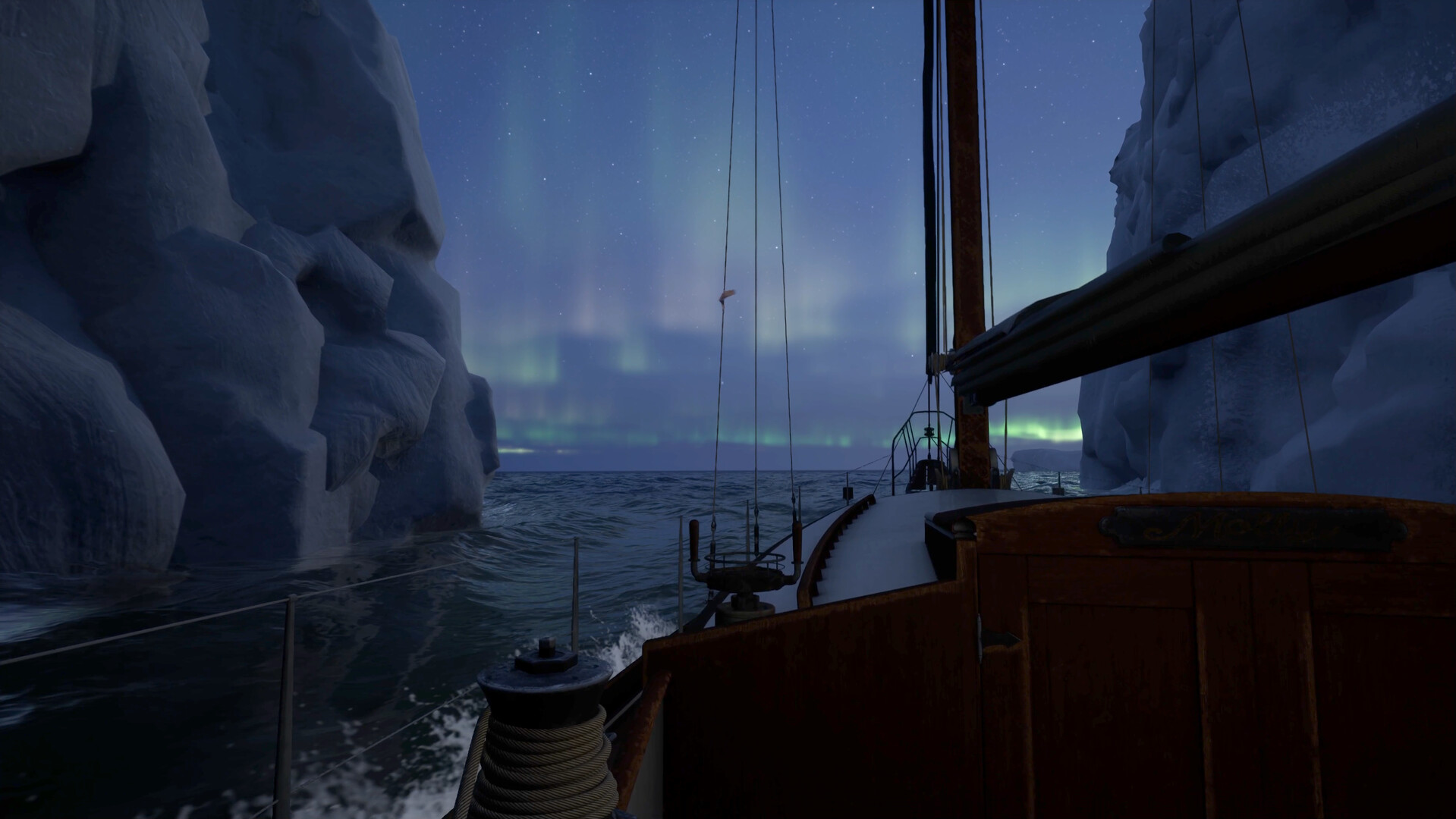
The game looks pretty good, and has a nice colour palette to it. It’s got varied environments, different times of day, and even the Northern Lights, which looked really nice. There are also some impressive water and wave effects to be found. That said, its character models, certain locations and its animations tend to look and feel dated. The controls are also occasionally cumbersome.
In conclusion, WILL: Follow the Light is a relatively interesting and ambitious game that doesn’t completely succeed in executing all of its ideas. There’s quite a bit of good to be found within, but some tedious and frustrating puzzles, some dated mechanics and repetition hold it back. It’s also held back by the feeling that what you’re tasked with doing is sometimes just tedious busy work. Being that it’s a narrative focused walking simulator with heavy puzzle elements, it will only appeal to certain gamers, but that’s ok.
This review is based on the XBOX Series X version of the game, which we were provided.